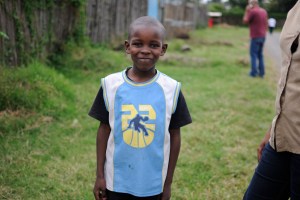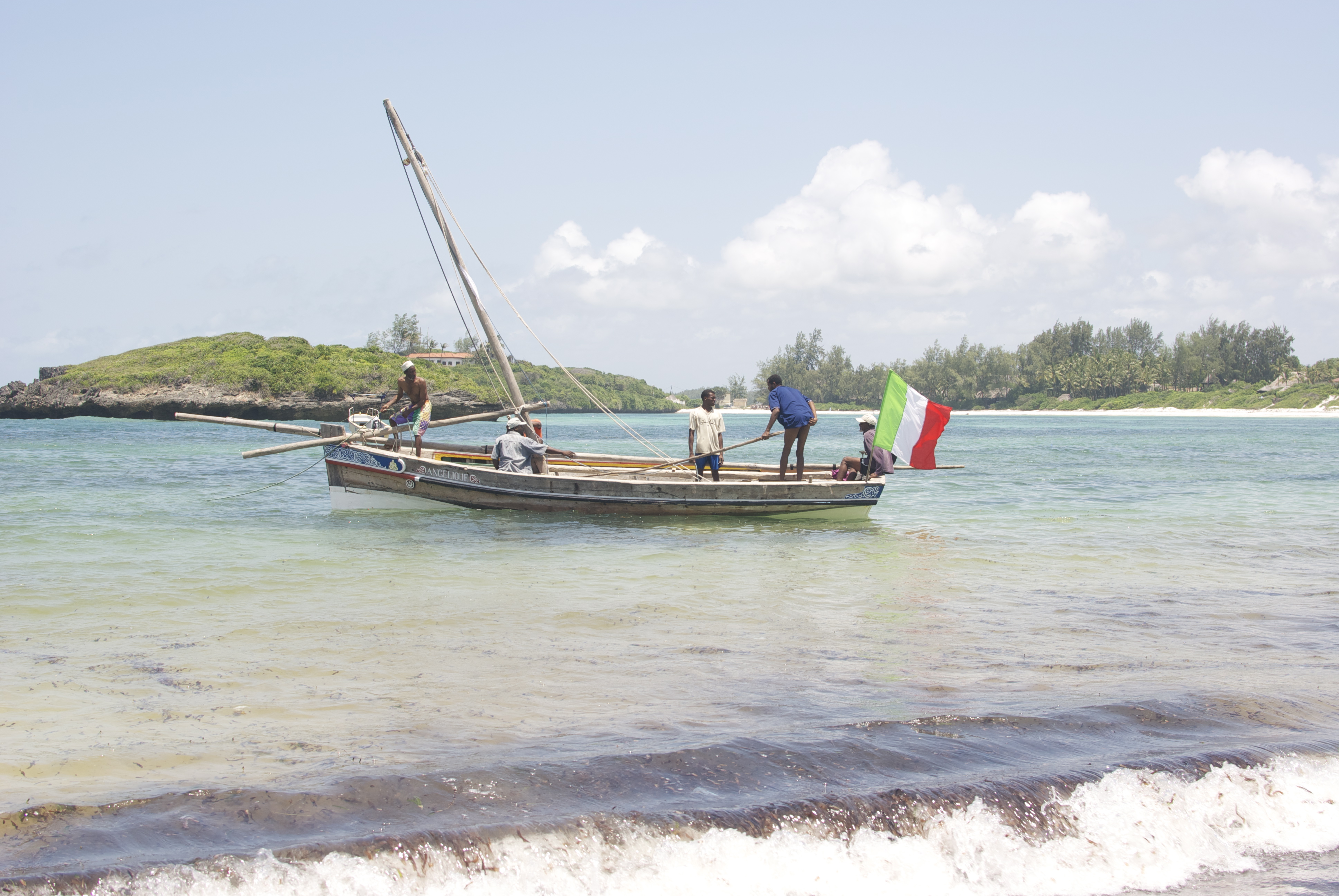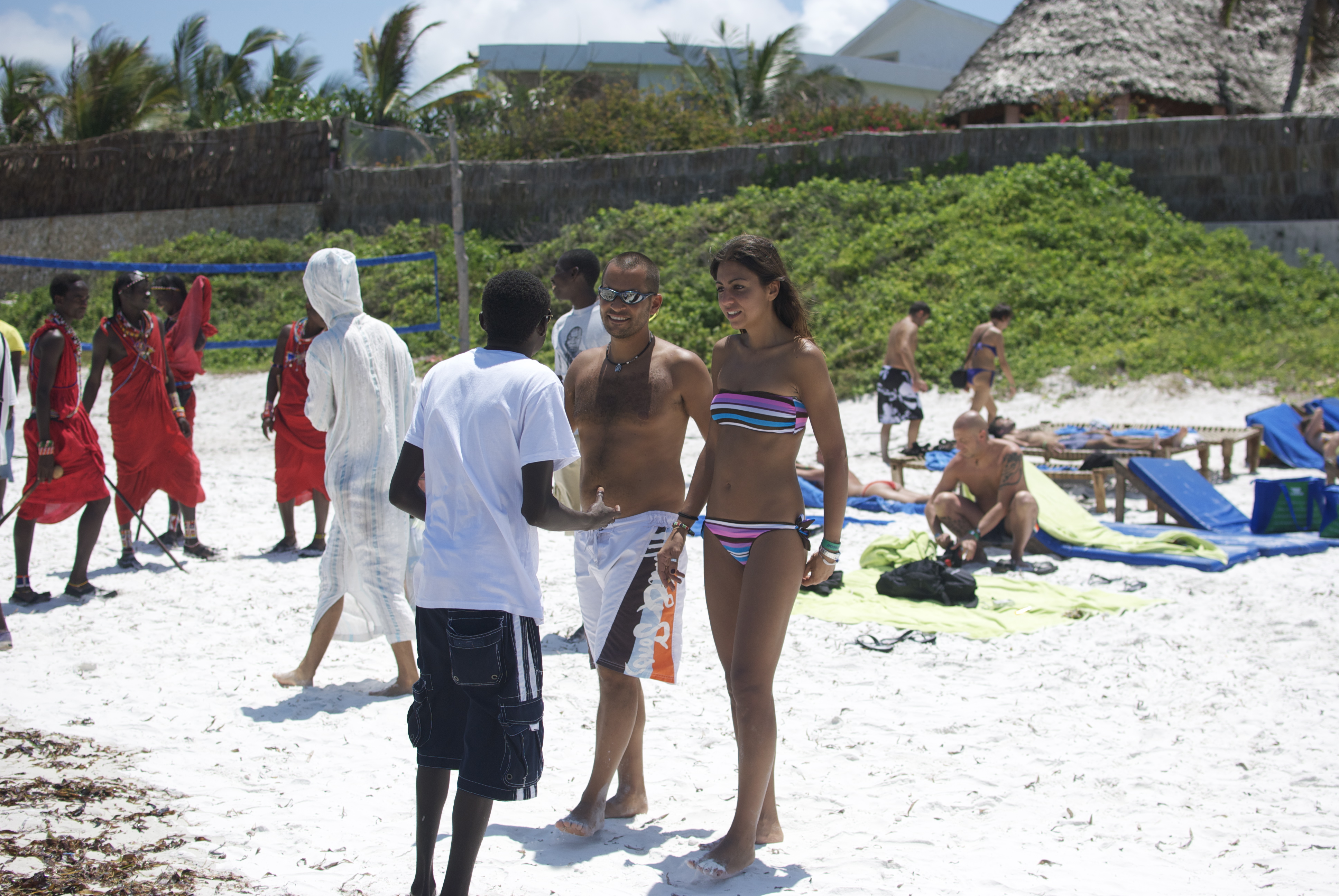
Little Italy. Kenya Style. Welcome to Watamu Beach.

Welcome To Watamu Beach, Kenya.

I recently visited the coast of Kenya, and through the advice of my travel companion, we migrated off the usual route of staying in Mombasa and ended up in Watamu, a coastal town about one hour north, on the way to Malindi.

I heard about the Italian influence in Malindi through a friend at work, though I didn’t realize the overflow into neighboring towns.

They say that if you are a first time visitor to Malindi, you would be forgiven for thinking you are in some part of Italy!

Reading up, it was the late 1980s when the Italians discovered Malindi, as the Germans were leaving the area, and became the dominant foreign influence.

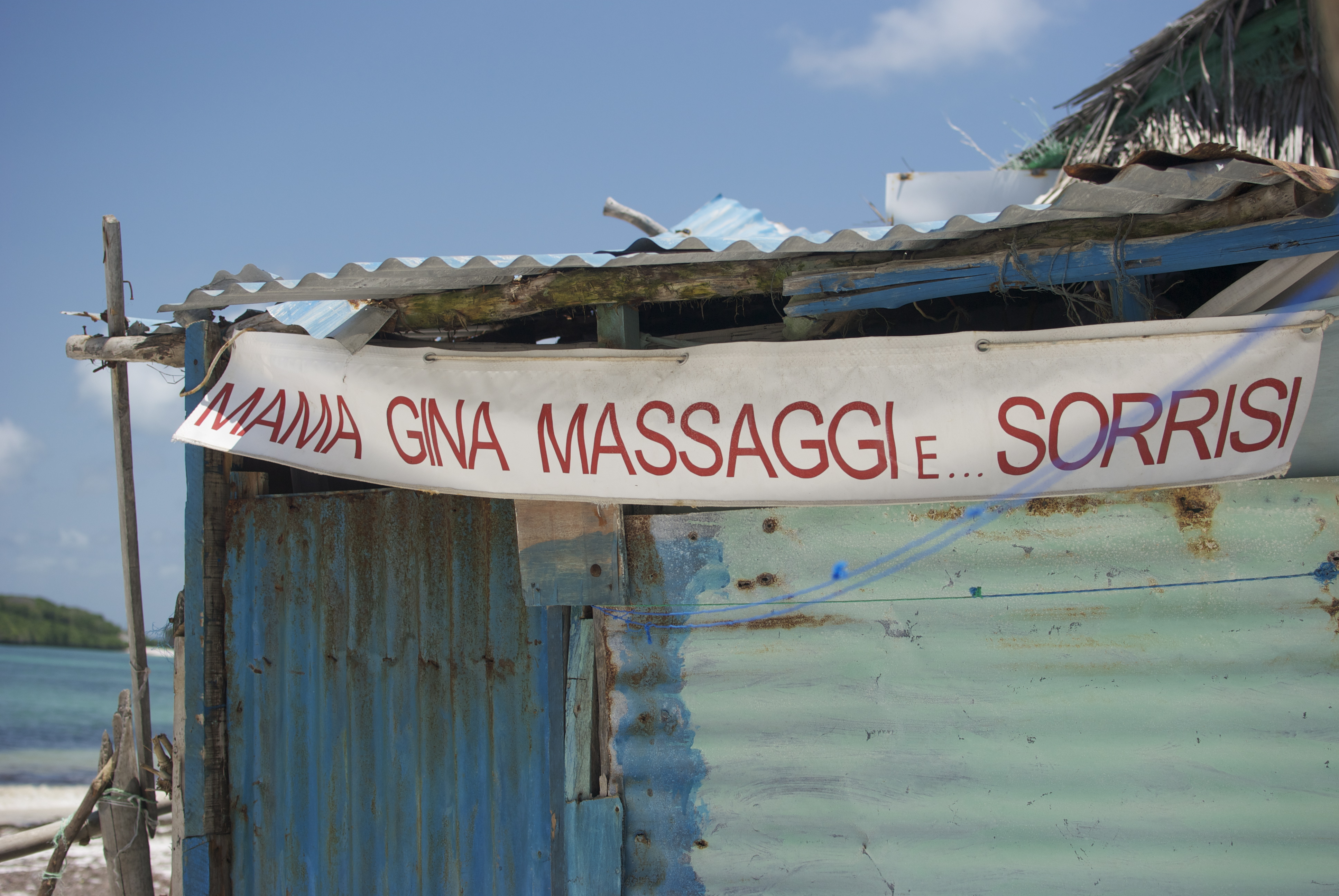
So I arrived to the beach on my first day in Watamu and was bombarded by local Kenyans kindly, yet intrudingly shouting, “Ciao Bella” and many other phrases in Italian I did not understand! Italian signs are everywhere, for massages, gelato, and pizza.

And kid you not, the locals speak fluent Italian!

It really was unbelievable and for a second it just didn’t seem right. Like when I hear my Western friends in Kenya speaking Swahili, it also for a second is a bit strange sounding…but hey I am all for cultural boundaries being crossed:)

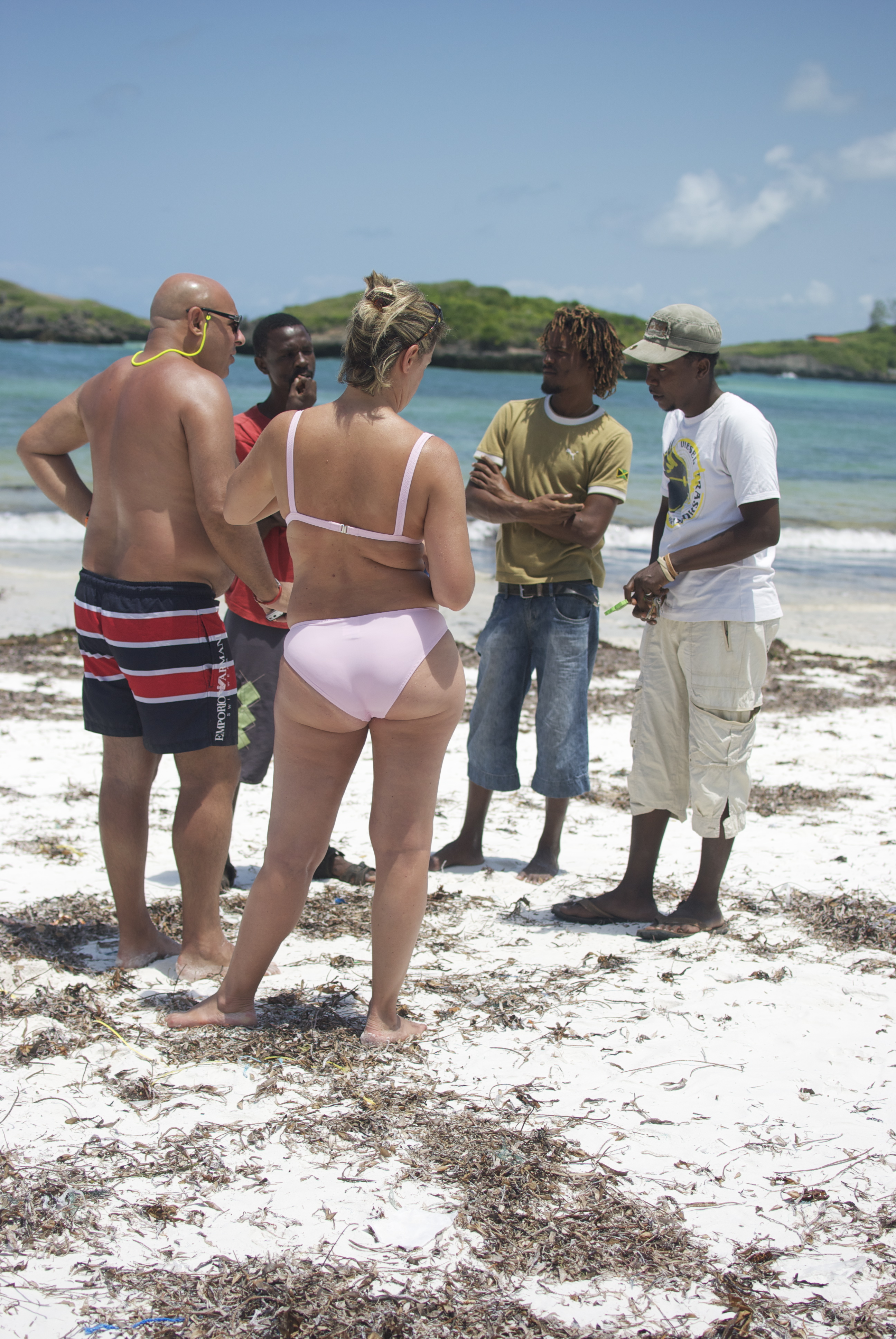
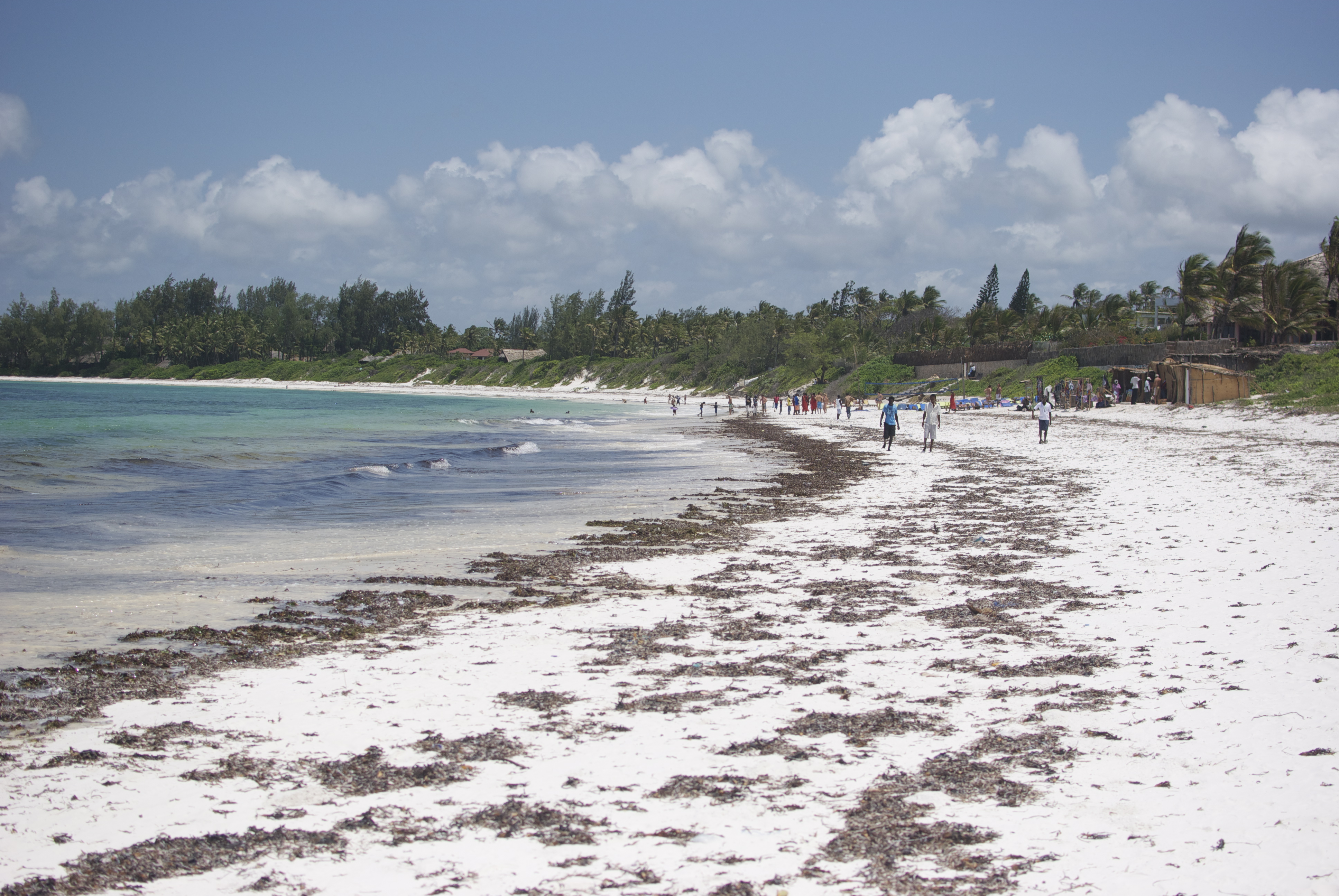
So although my first trip to the Indian Ocean was quite beautiful in the sense that the sand was pure white (the whitest I have ever seen actually), the water warm enough that I could swim freely, and the atmosphere quite relaxing after not leaving Nairobi for quite sometime, the funniest part of this adventure was observing the interactions between the local Kenyans speaking Italian, and the straight off the boat Italian tourists just eating it all up!

Hope you enjoy this cultural, or lack of cultural journey:)

Ciao!

Dan Dyson Music-“Thank you Lord”

b’h

Greeting to all my readers, thank you for continuing to follow Café Avra!

I apologize for only posting around every 10 days the last couple of weeks, though I am pleased to inform that my schedule will lighten up a bit over September/October and I will be posting more regularly.

So, it has been almost 3 months since I arrived in Nairobi and I feel continually blessed to be here.

One thing, among many, that I truly appreciate about Kenyans are their appreciation of g-d and how it actually is stranger if you do not go to Church on Sunday rather than if you do.

It is okay, in mainstream conversation, to speak on the gifts and strength g-d has given us, without people looking at you like you might be a bit ‘off’.

I also find it fascinating that I am the first Jewish person that both Kenyans, and expatriates (even U.N. workers) have ever met. My preconception on coming to Kenya was that considering Kenya was a former British Colony, and mainstream British tendencies tend to combine Judaism and the belief in g-d with the Israel-Palestine Conflict, that people might automatically feel a certain bias towards my religion, although they still might like me as a person.

On the contrary. They are interested, fascinated sometimes, curious, and there is always solidarity when two people can agree and say….g-d is good. They think my Shabbat is quite strange, yet respect it. I actually have yet to really get a negative reaction to my Judaism.

I want to highlight a friend of mine today, Dan Dyson.  Daniel is a Ugandan Gospel Singer, living in Kenya, who has been through quite a lot in his life, (to be featured on a later date) but yet his faith is so strong and he soulfully shows his passion for g-d through his music.

I look up to someone like Daniel for not being afraid  to be who he is, show his love for g-d openly, and just being a wonderful, kind, and energetic soul.

I would like to highlight a catchy music video he made for his song, “Thank you Lord”, which he recorded in a studio outside Nairobi.

Now please give Daniel a shout out for such a powerful, high voice! I do not know many women who can reach those notes.

You rock my friend:)

To continue to follow his music, Daniel and I  have worked together the last few weeks on his website, which is still in construction, though at this time you can also hear two other songs from his album, Thank you Lord, “The Lord is my Sheperd” and “Body & Soul” on the LISTEN column of the site:

Link: http://dandysonmusic.wordpress.com/listen/

Thank you Daniel! G-d Bless.

The Abayudaya Youth Association. Motto: Struggle Continues

b’h

Please enjoy the mini-documentary above about the dreams and struggles of a Jewish youth group in Uganda, the Abayudaya Youth Association.

Jewish? Uganda?

Abayudaya?

Who are they?

The Abayudaya are a Ugandan community who began practicing Judaism in 1919.  They are not genetically or historically ethnic Jews but are a devout community keeping Kashrut and fully observing Shabbat.

The story begins with a British colonial agent, Semei Kakungulu, who started to keep and practice the Jewish Shabbat and shortly later had roughly 3,000 followers.

Today the Abayudaya have roughly 1,250 followers and are only recognized by members of the Reform and Conservative movements.

When the HIAS Board of Directors were here in East Africa on their mission to Kenya and Uganda last month, we were all blessed to spend a Shabbat with this community.

I will leave it up to you to read the various articles written on this community, mainly on the website of Kulanu (a non-profit organization which supports isolated and emerging Jewish communities around the world. www.kulanu.org ).

What I want to highlight today is not whether this community is truly Jewish, or what they eat on Shabbat, how they dress, conduct services, or whether they speak Hebrew.

The most impressive part of my weekend with the Abayudaya was meeting the members of the Abayudaya Youth Association.

When we were on a light walking tour of the community on Shabbat day, I started to speak with Kirya Israel, who was the same age as me, 26.  He was telling me about his studies in economics, a bit about the diverse visitors they get each Shabbat, and then he pulled out his business card.

Wow, okay, thanks Kirya! I don’t even have a business card!

Abayudaya Youth Association.  Motto: Struggle Continues.

I thought , okay, this makes sense. There are always Jewish Youth groups in all communities. But for some reason I was still taken aback. Perhaps it was because most of the emphasis that I have heard on this community seems to be on the irony that an African community keeps a higher level of Shabbat then most of the visitors! Or that they really can’t be Jewish!

I never heard about a Jewish Youth group in Uganda that organizes classes, football matches, services, social events, etc throughout the year. They even partner with USY in the states!

I was so impressed by their high level of enthusiasm for keeping their youth engaged in all types of activities, wanting to learn more modern conversational Hebrew and, the most beautiful, was their genuine dream to visit Israel, the Promised Land as they told me.

You will see in the video that the Chairman of the organization, Kalema Joseph, really wants to visit the Western Wall! He told me he continues to look at photos on the web, but it is not enough! He wants to see the physical wall.

He also told me that Birthright Israel often sends visitors to the community for Shabbat, but they haven’t yet taken them on a trip. They say they are trying, but there are so many strings attached. He stresses the Abayudaya are different than the Ethiopians that their goal is not to stay in Israel but to visit and come back.

On a surface level, it seems their genuine want to visit the ‘promised land’ should be sufficient enough to warrant one trip of 20-30 youth, right?

How many Jewish young adults in the U.S. do we need to convince over and over just to try Birthright! I know I have convinced quite a few. And we all know Birthright isn’t so strict; for example you can be a ‘quarter’ Jewish and attend a trip.

I have not done the necessary research yet to see why Birthright has not gone forward with a trip for this community. I hope to hear comments if anyone has further information!

Nevertheless, I thought it would be quite dynamic to see for yourselves who the Abayudaya Youth are and the future leaders of this unique community.

On behalf of the AYA, they would love to hear from you and hope you can visit them soon enough!

Please contact them directly at:

Chairman, Kalema Joseph:  kalemayosef@gmail.com

Minister of Ethics & Gender, Kirya Israel: kiryaisrael@gmail.com

Shabbat Shalom to all! And a spiritual month of Elul! The king is in the field.

WAREMBO NI YES!

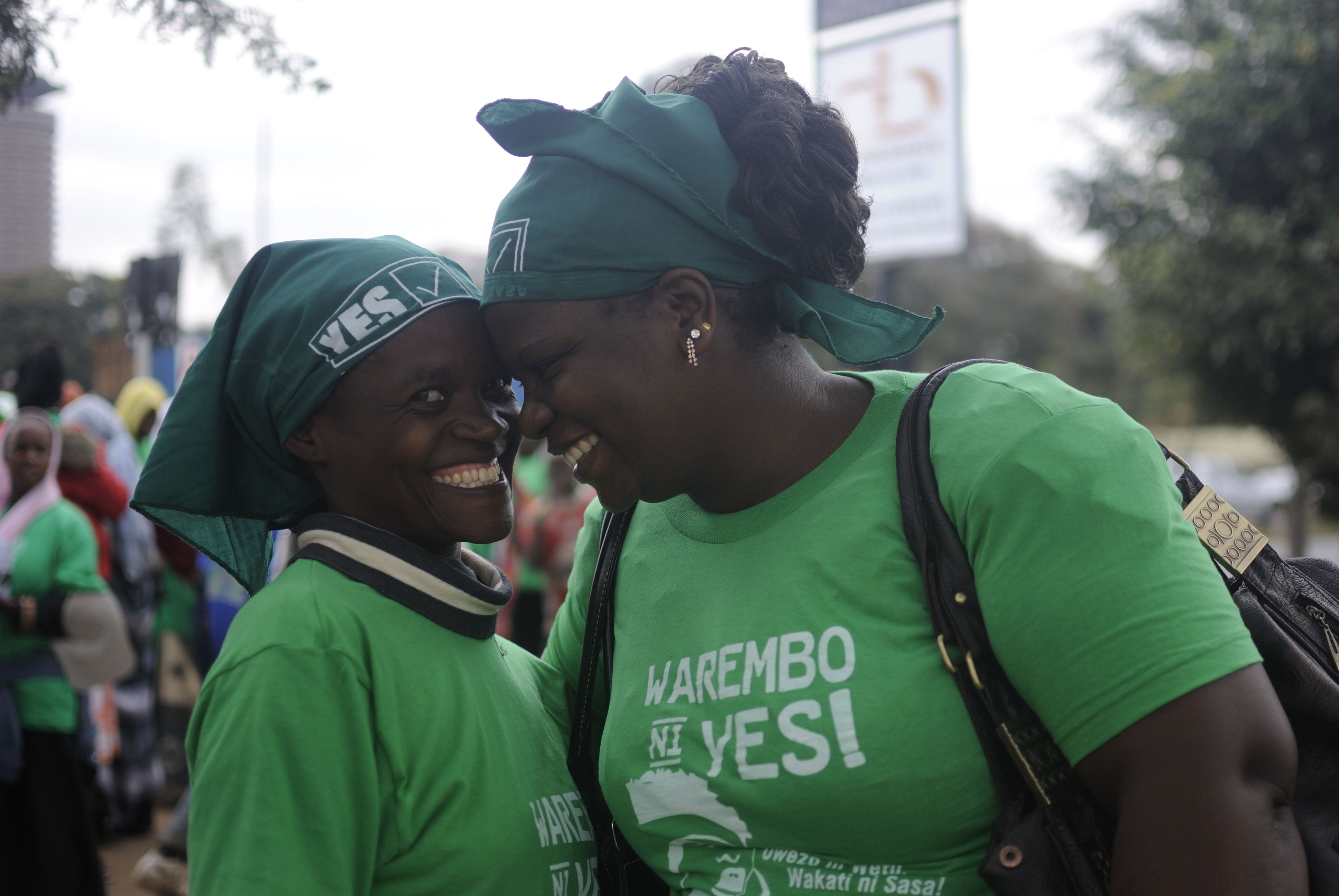
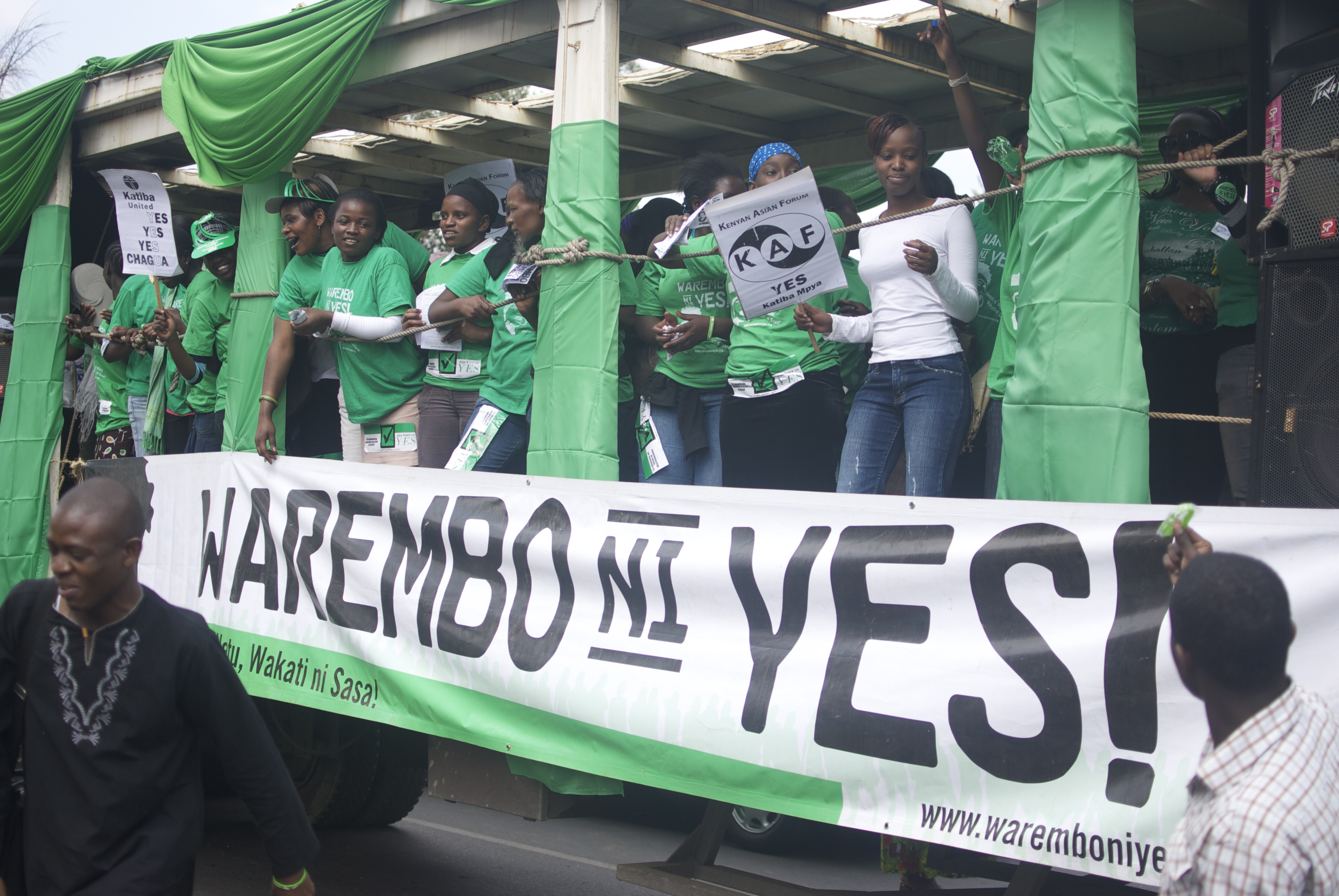
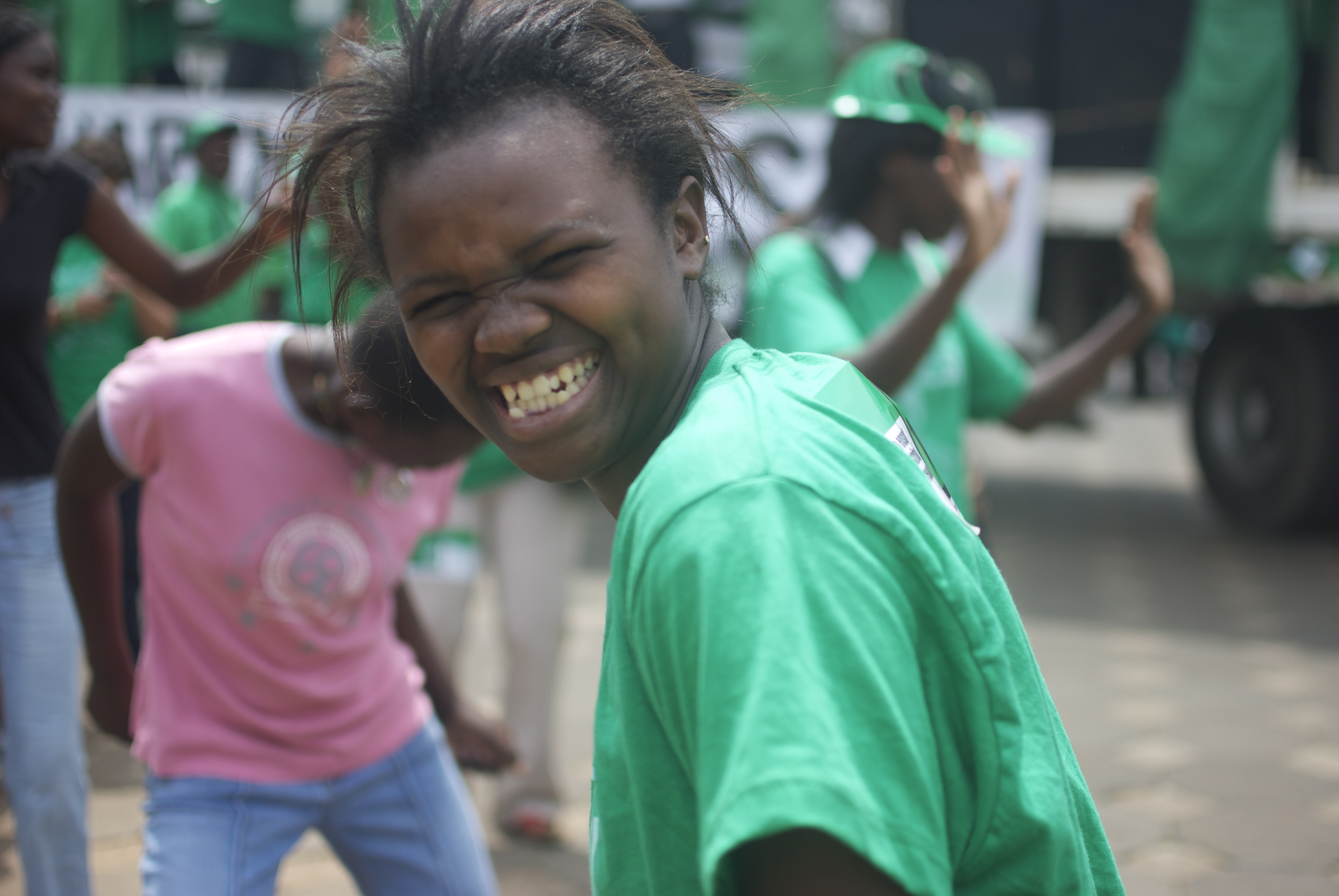
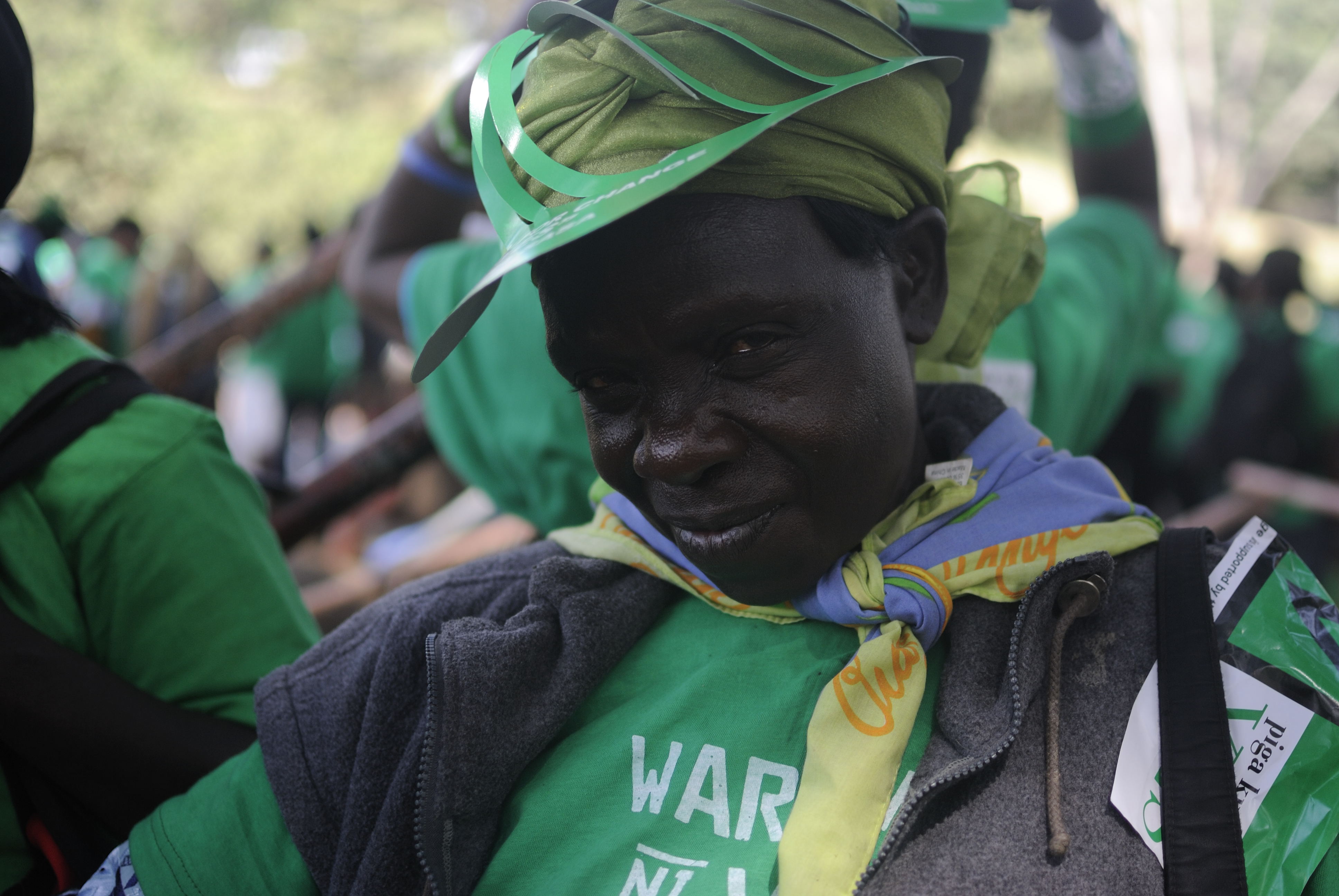
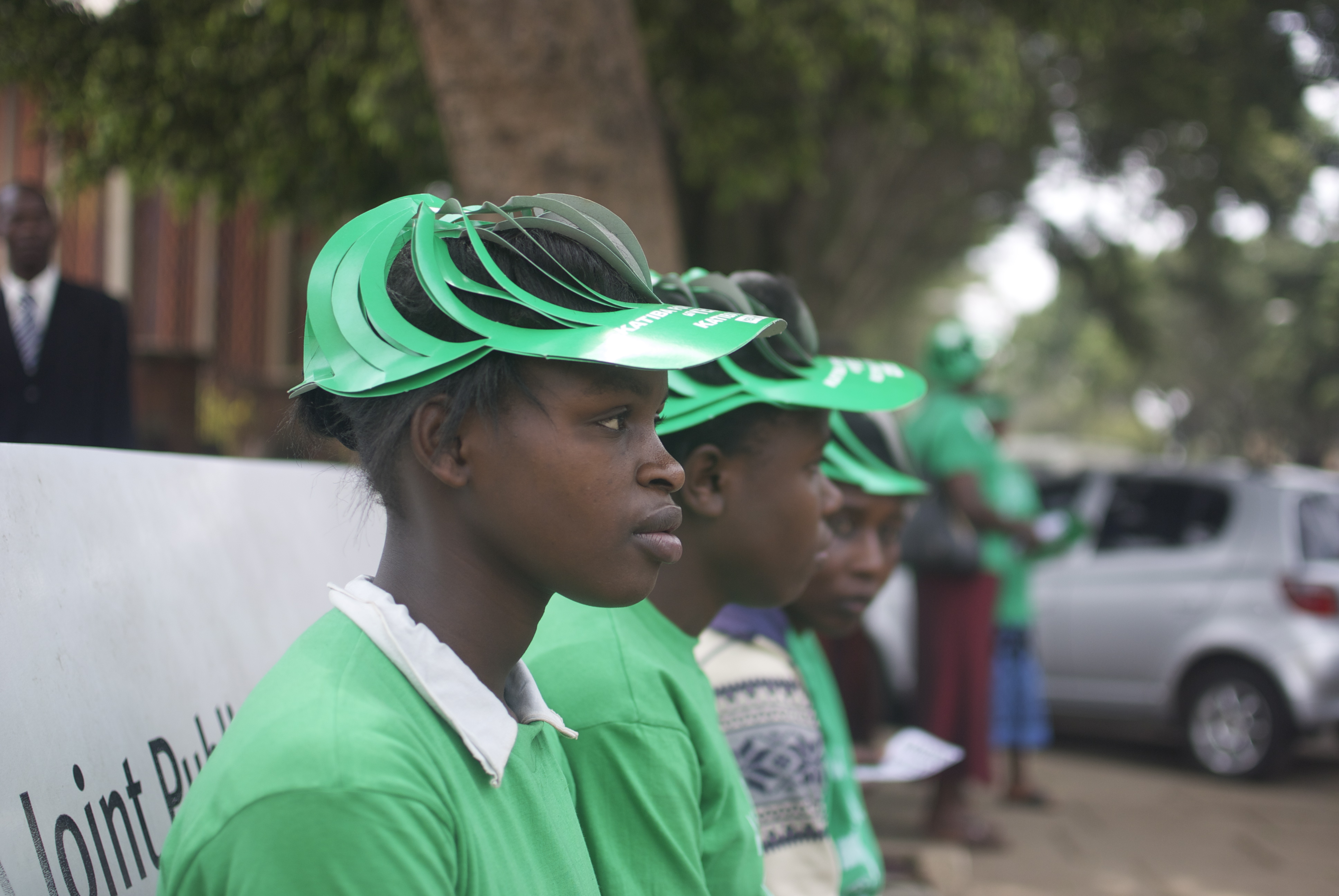
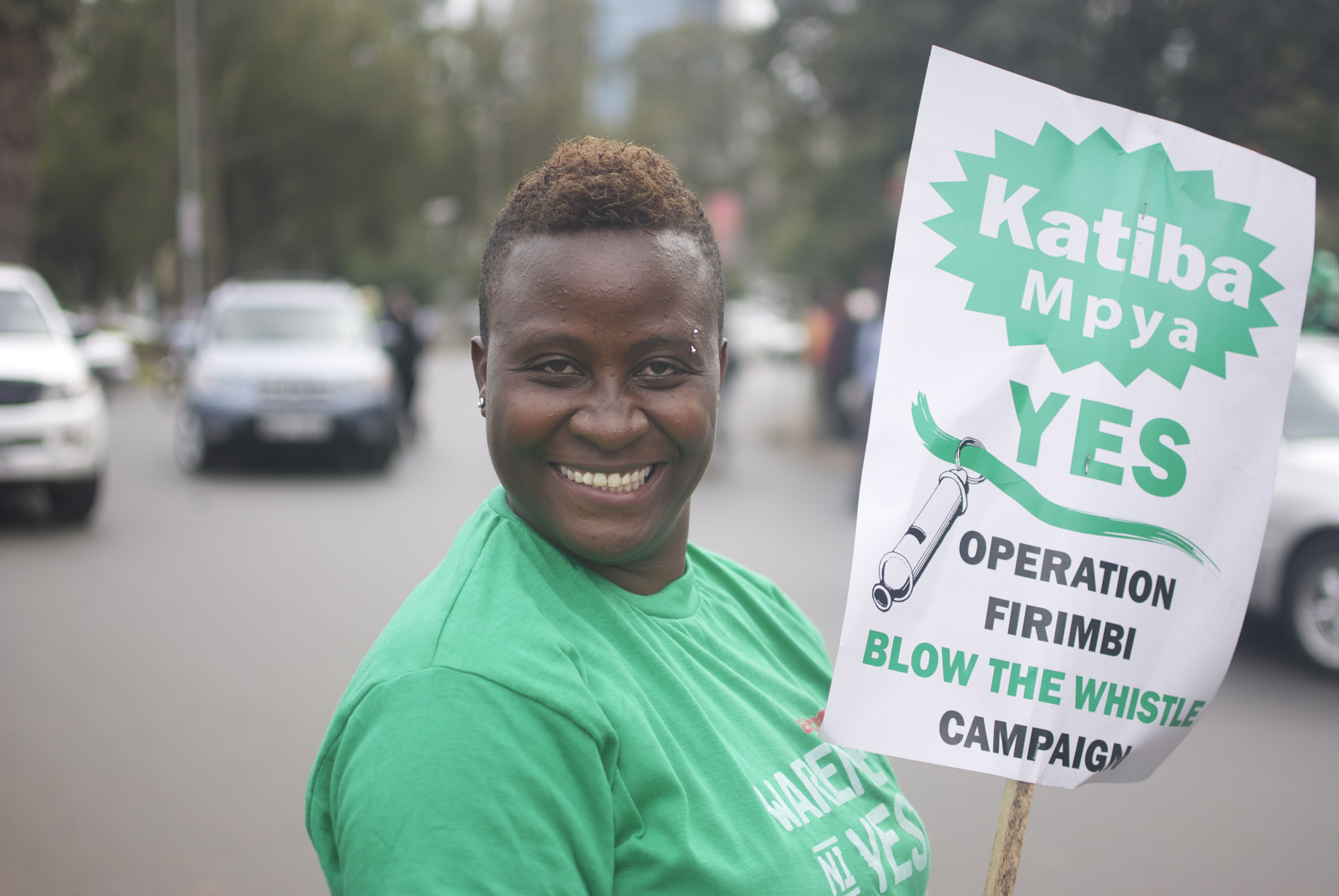
Look at these beautiful Kenyan women in green who took the streets last Friday to support YES for the Kenyan Constitutional Referendum coming up tomorrow, Wednesday, August 4th 2010.

I have seen and photographed many protests and rallys, though because of the difficulties in Kenya of actually getting permission to hold a rally, the controversy over this referendum,  and the potential for violence tomorrow,  it was a very special moment when hundreds of women walked from Uhuru Park (downtown Nairobi) to the Kenyatta International Conference Center dancing, laughing, smiling and empowered!

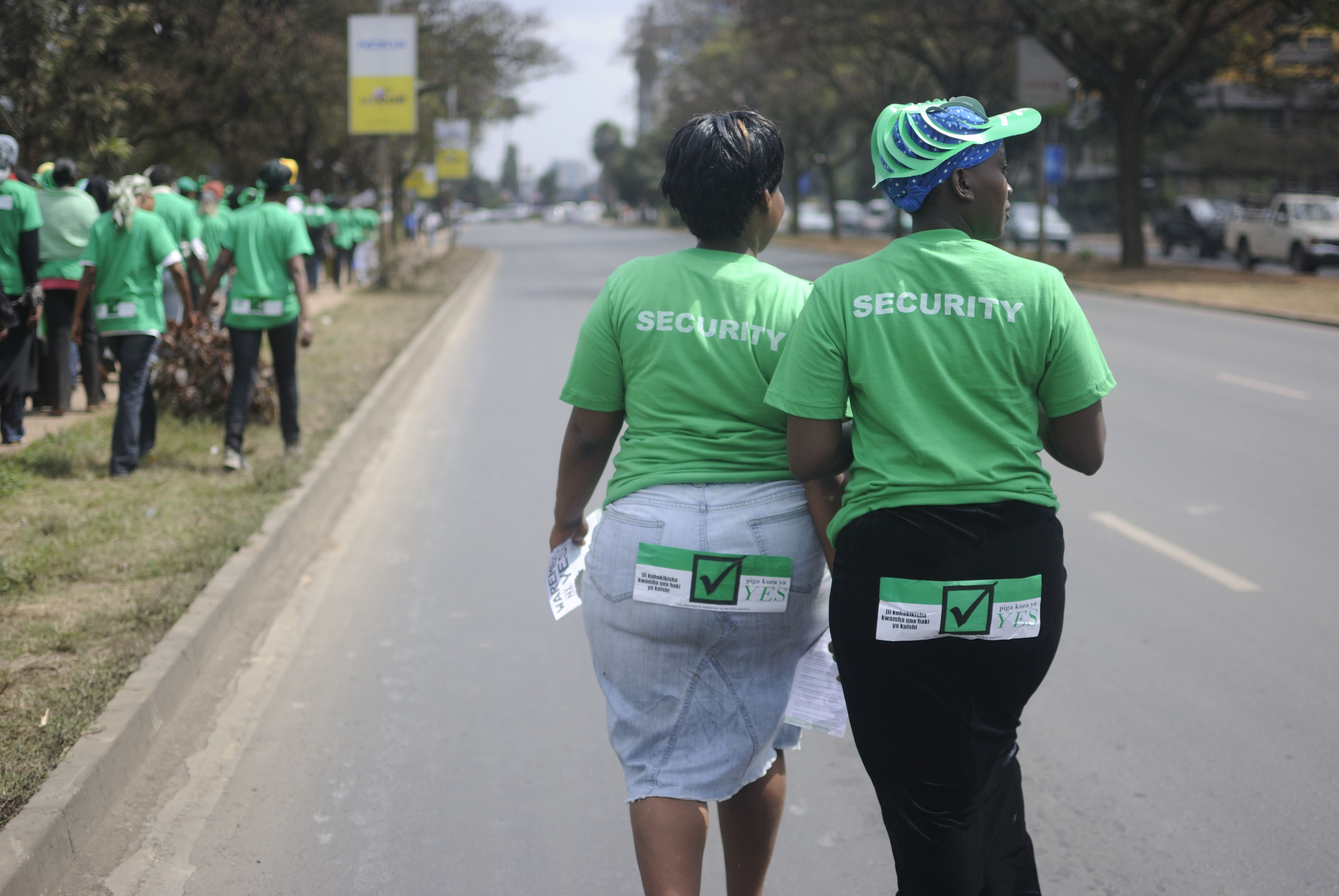
Even the security, as you can see by the shirts below, was done by women the entire day!

‘Warembo Ni Yes!’ is a movement of young and diverse women supporting the proposed Constitution of Kenya.

They are non‐partisan and represent different economic backgrounds, ethnicities, religious beliefs, sexual orientations, gender identities, races and abilities.

What does Warembo Ni Yes” mean?

Warembomeans beautiful people.  Beautiful people are for YES!  And as you can see by these photos, these women are truly beautiful and it was a pleasure getting to know some of them last Friday.

For more inspiration, please visit their website at: http://www.waremboniyes.org

Good luck tomorrow ladies:)

Café Avra @ Uganda

Café Avra will be taking a short break for a few days due to very slow and basically non-existent Internet here in Kampala.

First impressions of Kampala: quite similar to Nairobi in structure, although the weather is more tropical and it is built on hills so there is usually a beautiful view of the horizon. Ugandans seem a bit more laid back then the Kenyans living in Nairobi, so things are nice and easy. So 25 minutes here mean about 1 hour and 15 minutes instead of about 45 in Nairobi:) Traffic is bad during rush hour; though I seem to be breathing better here–not as many fumes as in Nairobi!

Funniest thing about Kampala: We are staying in an apartment complex that rivals apartment blocks in Bosnia in the 1970’s. Difference? Large storks surround the complex and they are not delivering babies. Freaky! Pictures to come…(too slow to upload!)

In other news…since the bombings on July 11th here in Kampala, the security has increased quite a bit around the center of the city, and most Ugandans and expats here seem calm.

Work wise, the HIAS team is working effortlessly with the collaboration of their partner here in Uganda, Refugee Law Project, interviewing for resettlement mainly Congolese Refugees who have been through some of the worst experiences I have ever heard, both in their home country and even when seeking refuge here in Uganda.

This includes sexual torture for both men and women. Men getting sodomized in jails as young as 13, women who have contracted HIV from being raped as young as 10 years old and then forced to breast feed their child (who didn’t contract the virus by birth) because of lack of assistance. Men forced to rape their family members.

It is terrible and this is happening now. One of the refugees reached Kampala in December of 2009. 7 months ago.

The UNHCR in Uganda does not seem to give the same assistance to both urban refugees and refugees living in camps as they do in Kenya. Their wait times for Refugee Status Determination are twice as long and are getting denied assistance and resettlement on a higher rate.

This is why HIAS is playing such an important role here trying to resettle just a fraction of these horrible cases. I have a few more days here in Kampala and will be interviewing staff at the Refugee Law Project, and our HIAS Staff, for their insights on this situation.

~Amy @ Makerere University in Kampala

The Nairobi Hebrew Congregation

(*Please note that the new website of the Nairobi Hebrew Congregation was launched on January 31, 2011. Do visit the site at http://nairobisynagogue.org/ )

b’h

Shalom from Kenya.

To those of who are wondering, yes, I am safe and sound considering what has recently happened in neighboring Uganda.

I am currently with the HIAS Delegation from New York and we are supposed to travel to Kampala on Thursday, though this is still to be determined.

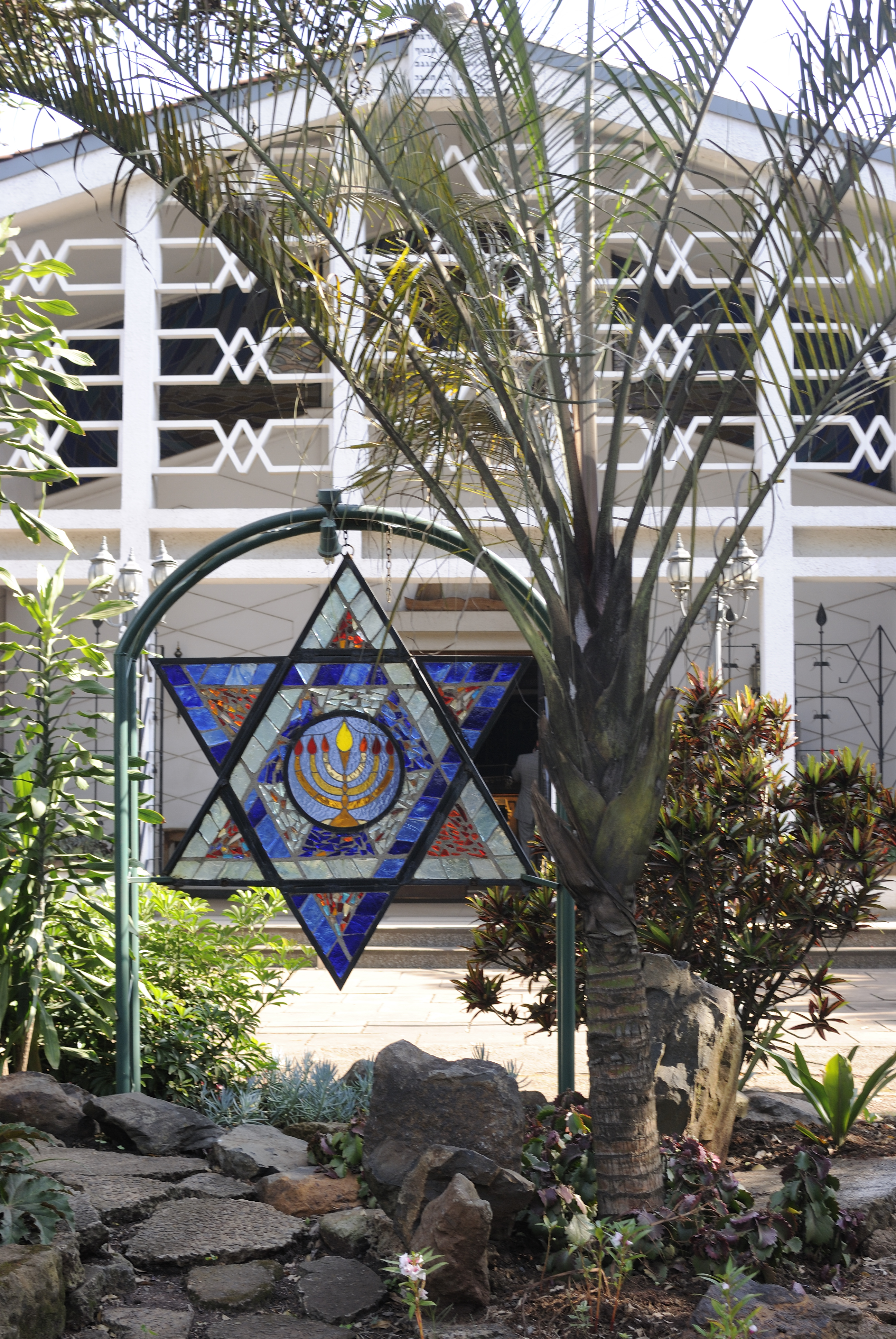
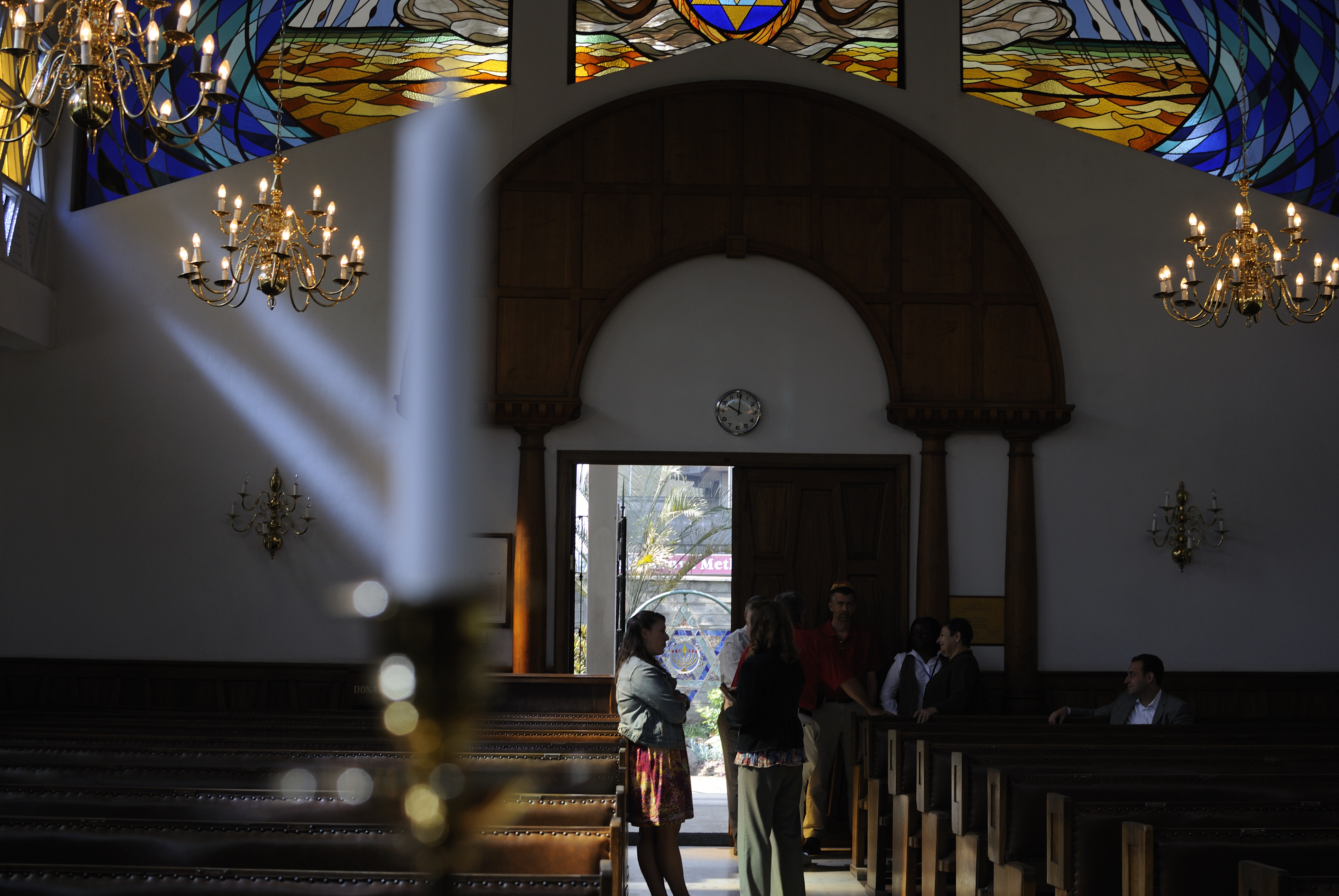
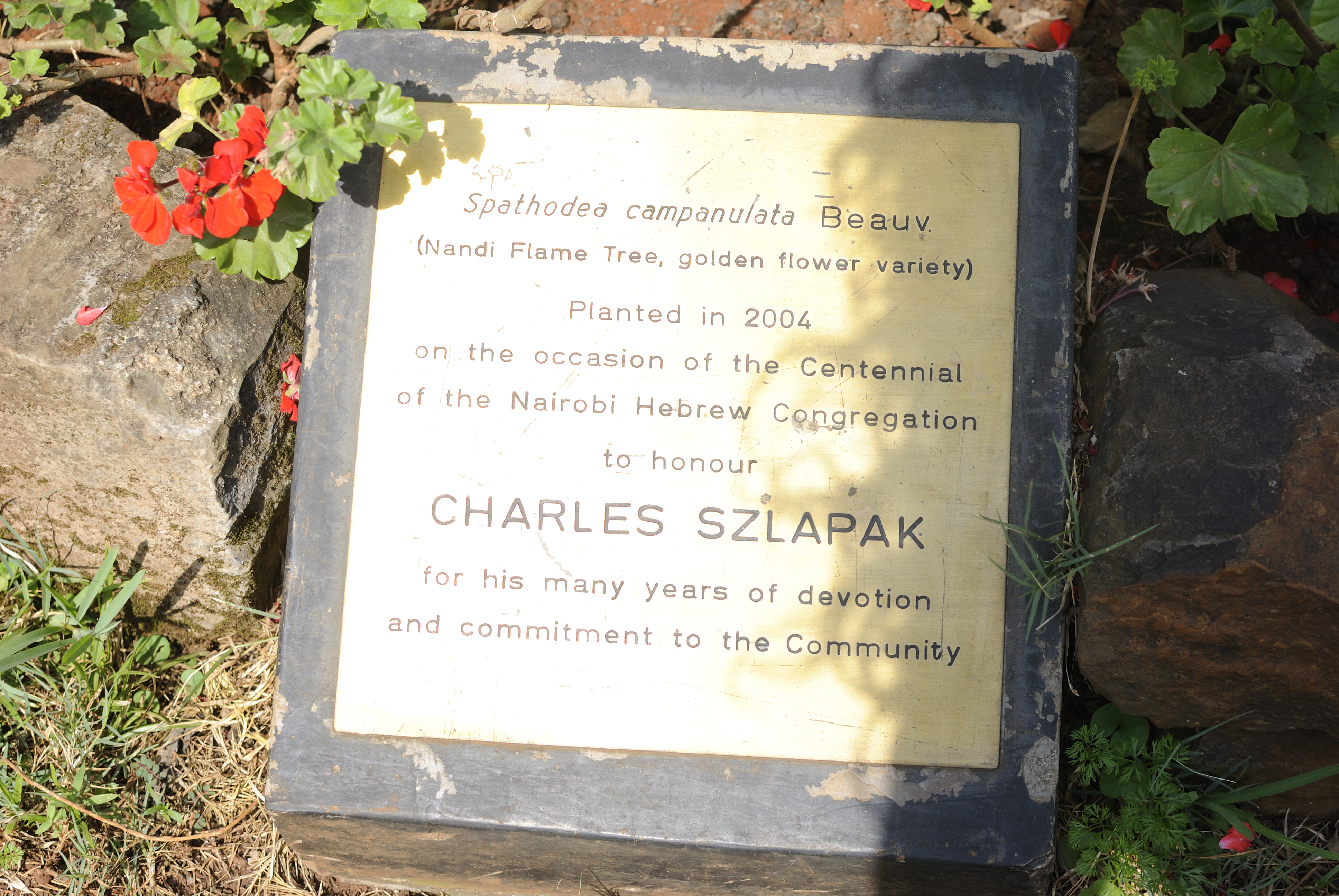
In other news, today I would like to share with you some photographs of the Nairobi Synagogue, and highlight the Szlapak Family, one of the oldest Jewish families in Kenya (and  owner of the beautiful Fairview Hotel here in Nairobi-http://www.fairviewkenya.com/).

The Jewish community in Kenya was established in 1904, and the community is a microcosm of the Jewish Diaspora. Some of the members are newcomers living temporarily in Kenya, while others have lived here for many years.

The synagogue grounds are magnificent with lush gardens and a Communal Hall for social and cultural events.

It is also the only place to buy kosher meat in Nairobi.

The Nairobi Hebrew Congregation numbers have gone up and down, and is currently quite low.

I am impressed how a few members of the community continue to come every Shabbat just to make sure there is a minyan and to keep the Synagogue alive.

There has not been an active Rabbi since 1987, though I was lucky enough this past Shabbat to meet the last acting Rabbi Ze’ev Amit, active from 1983-1987.

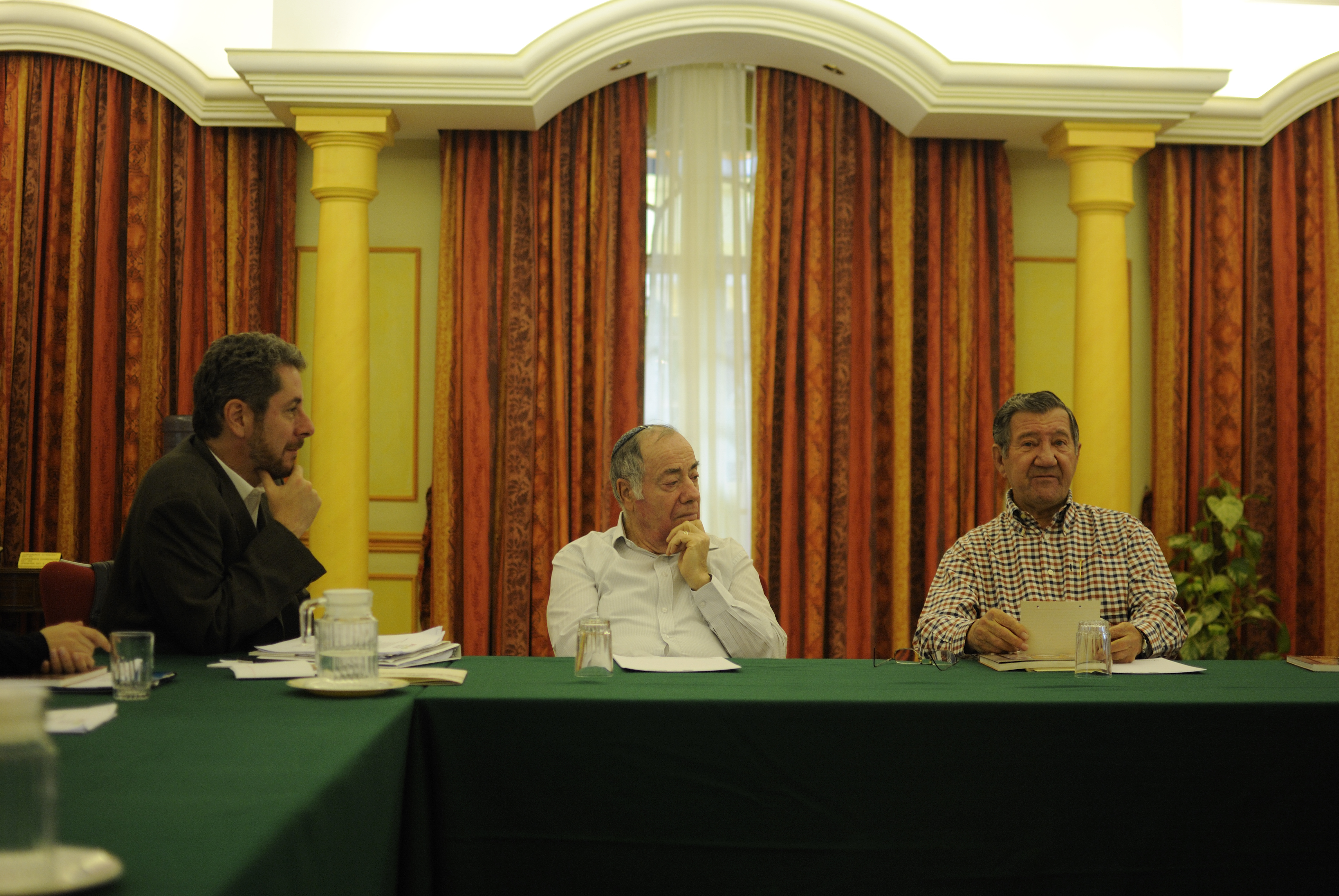
The picture below is of Rabbi Ze’ev Amit and Charles Szlapak meeting with our delegation on Monday, July 12th.

—–

The Szlapak family arrived in Kenya from Poland in 1938 and has been here ever since. For a dozen years, Charles was Rosh Kehila, the name given to the Nairobi Congregation’s president.

Early this morning,  Tuesday July 13th,  Charles’s son, Aitan Szlapak, gives the HIAS delegation a tour of the Synagogue.

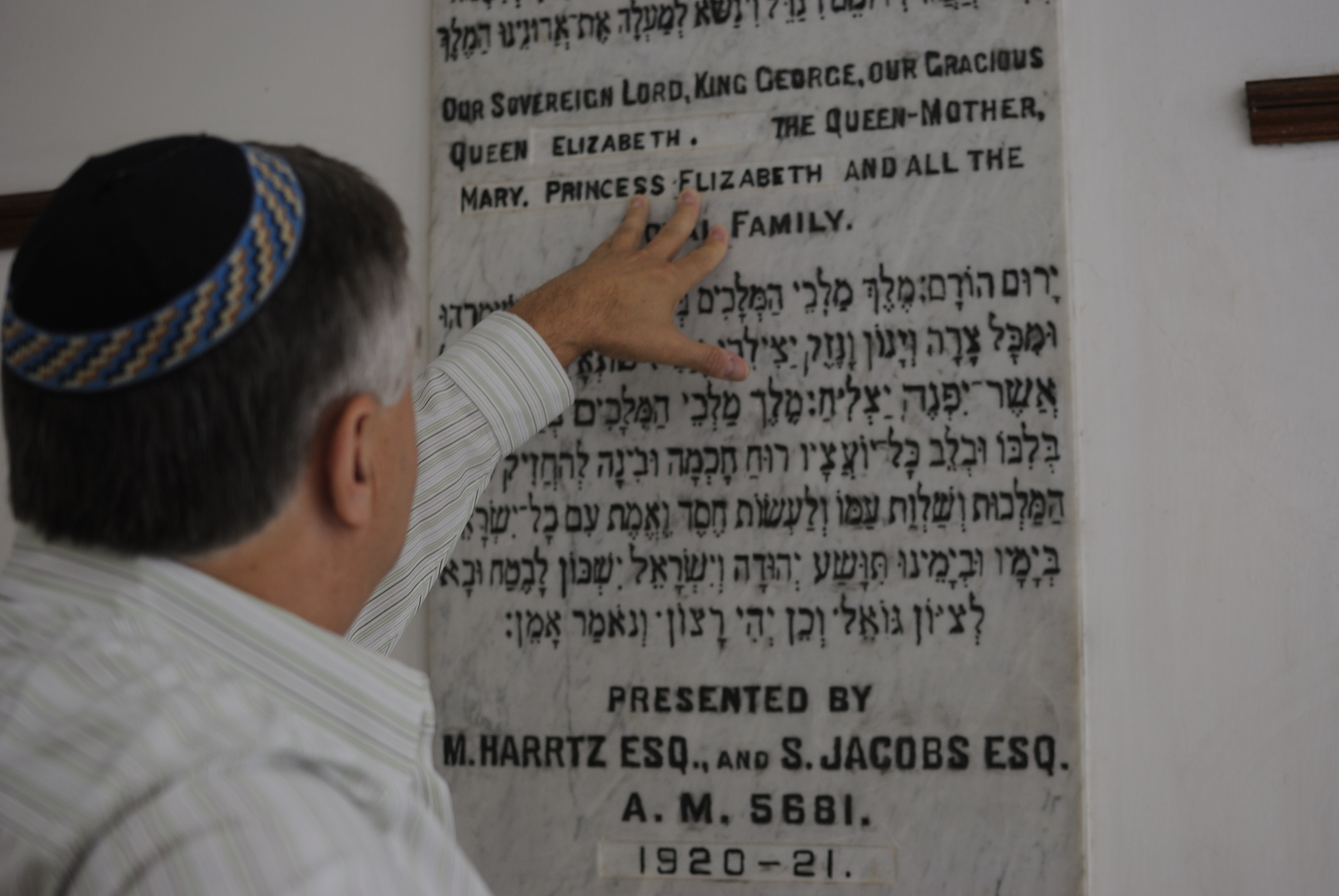
As you can see, there was a strong British colonial influence on the early days of the Nairobi Hebrew Congregation.

Again, I truly commend and personally thank the members of this congregation who keep the synagogue alive and allow me the honor to pray there every Shabbat.

If you find yourself in Nairobi, please do make sure you plan a visit.

Their website has not been updated in quite sometime, so I hope to help the congregation build a new website throughout my stay here in Nairobi and will be in touch with the updated details.

Karibu to Kenya, Part Duex.

Karibu to Kenya once again!

I have been quite busy the past few weeks helping plan our HIAS Board of Directors Mission to Kenya and Uganda, which commences this Sunday.  We have 10 delegates from HIAS HQ in New York attending and the itinerary includes meetings with Jewish Leaders in Kenya, meetings with the UNHCR and the Department of Refugee Affairs, a cocktail reception with all HRTK’s partner organizations, a full Shabbat with the Abayudaya Community in Mbale, Uganda, visiting Jinja (the source of the Nile), meetings in Kampala, and much more….a full report on many parts of the trip to come.

In the meantime I want to share with you a video featuring all HRTK staff welcoming our board this upcoming Sunday.

Enjoy!

Welcome to Eastleigh.

Welcome to Eastleigh, Nairobi.

One of the slums of Nairobi where many Ethiopian and Somali Refugees currently live.

If you might be wondering where I am working this summer, I am doing media consulting for the HIAS Refugee Trust of Kenya (based in Nairobi), a subsidiary of The Hebrew Immigrant Aid Society.

Let me first give you a short background of what HRTK does and why their services are highly needed. First off, conflicts in Somalia, Ethiopia, Eritrea, Rwanda, Sudan and the Democratic Republic of the Congo have forced hundreds of thousands of refugees to seek safe haven in Kenya and Uganda. (HRTK does missions to Uganda 3+ times per year).

HRTK provides protection, psychosocial counseling and resettlement assistance to these vulnerable asylum seekers and refugees who are mostly survivors of torture and/or sexual/gender-based violence.

Preparing for a few months before coming to HRTK, I knew in my mind that they worked directly with these vulnerable refugee groups, but as we all know…Seeing is believing.

I was surprised with my initial shock the first time I had to look into the eyes of a refugee. I went with one of our protection officers to pick up a client from a Cultural Orientation (where they learn how to integrate in their new country—this specific case was the U.S.) and drop her back off in Eastleigh, a slum of Nairobi where a lot of Ethiopian and Somali refugees live. It is my gut instinct to smile when I meet new people. So I smiled, and instantly I thought…no, Amy, don’t smile, this is not a happy moment. This woman—well, girl, about 19 years old—of the Oromo ethnic group from Ethiopia has been through trauma I could never even imagine.

We are then sitting next to each other in the back seat of the car and I pretty much froze. I did not know how to act or what to say. I was also very thirsty, but didn’t want to take out my purchased 1 Liter bottle of clean water right next to her. That would be rubbing that I have money into her face, right? And I can’t talk to her because we don’t speak the same language. But then again, HRTK is helping this young girl start a new life, so this is a happy moment, right?

And that is only the beginning. I haven’t even heard her story yet.

Eastleigh is where she lives.

I will also be writing a blog directly for HIAS, called HIASserve.

I want to share with you one of the many cases HRTK handles for possible resettlement.

The case is not of the 19-year old from above, but from another young woman from Somalia.

Teaser:

Nationality: Somali
Ethnicity: Mandiban
Gender: Female

Reasons and Route for flight

I first fled my country for Kenya in 2005. I came with my son who is sick (with Hydrocephalus, an excessive accumulation of fluid in the brain). I left Somalia because I had been shot at by armed Hawiye (a Somali Clan) men. I come from a very small clan in Somalia called the Madhiban. The bigger tribes use us like slaves.

Please visit the full story:   “A Refugee Wishes they had your problems”

Thank you for listening.

There is a poster hanging in the HIAS Refugee Trust of Kenya Office from the UNHCR that says, “Your Sympathy cannot help a refugee. But it is a beginning.”

More to come from the field.

The Dream Flat Tire. A Story of Brotherly Love.


What: An innocent trip to Lake Nakuru National Park yields a flat tire in Lion’s Gate

Where: Nakuru, Kenya. Rift Valley Province

When: June 2010

How: A 4-Wheel-Drive belongs on safari.

Result: Brotherly love.

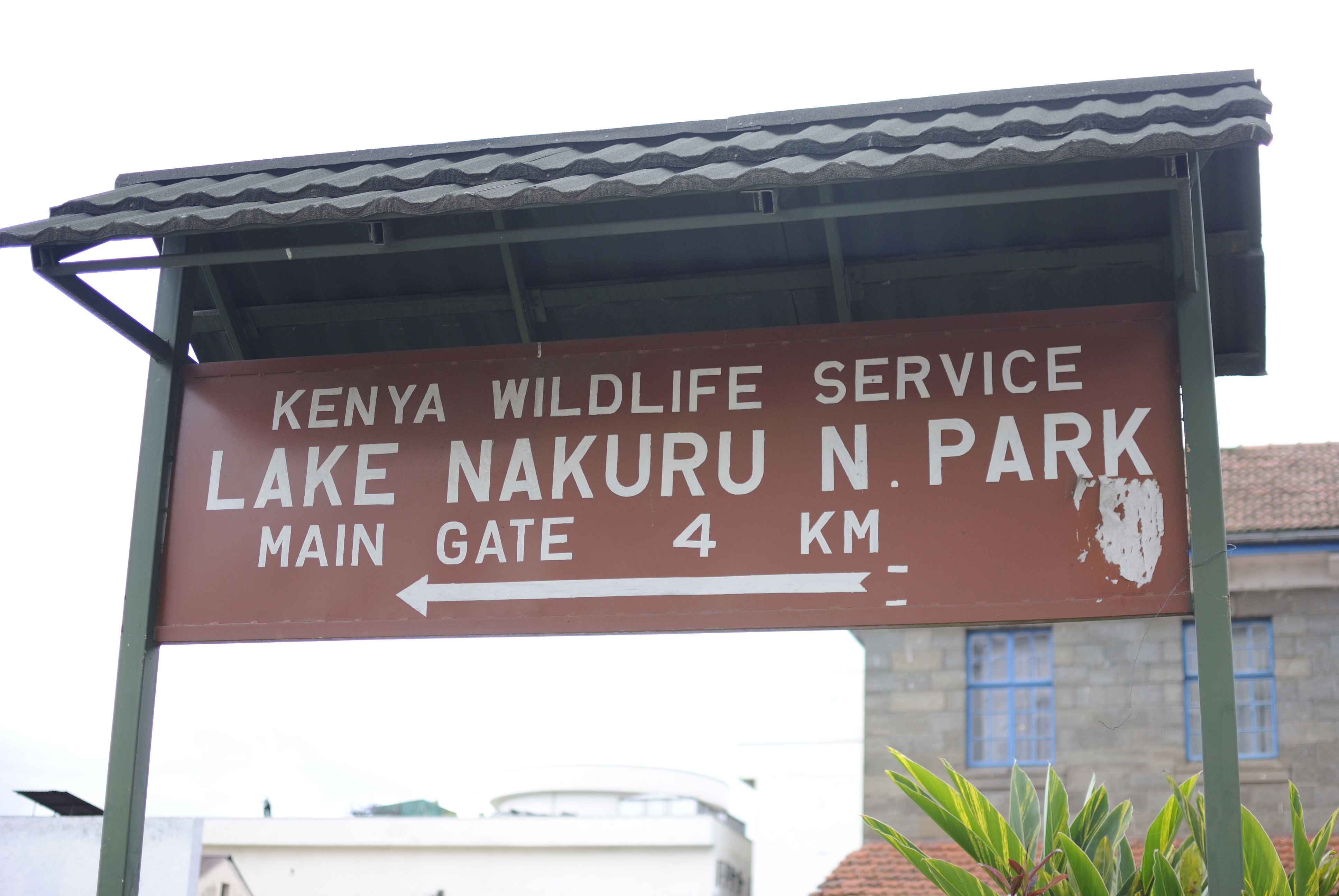
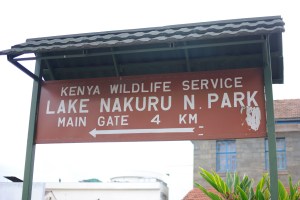
Karibu to Lake Nakuru National Park

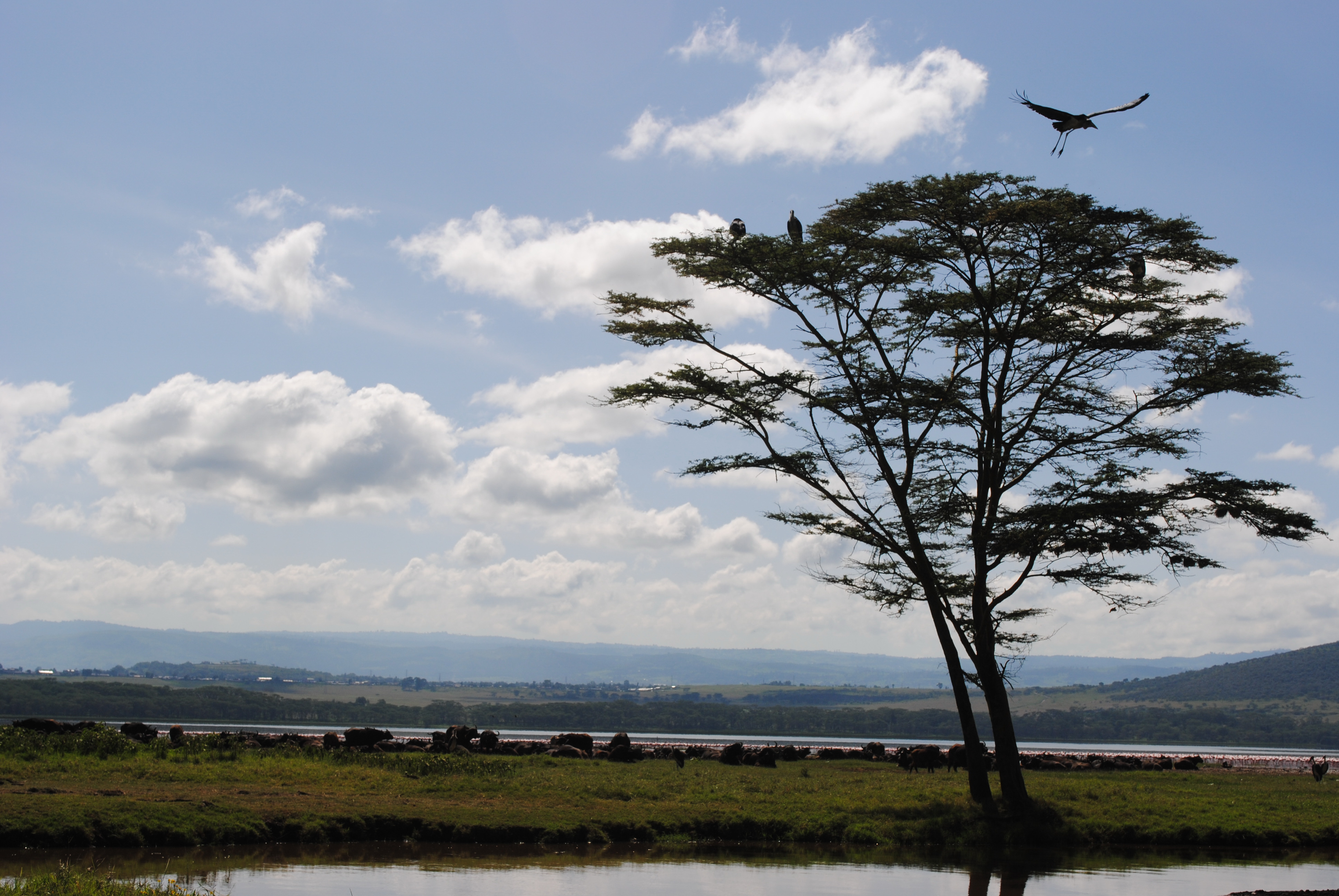
Lonely Planet Guide describes, “Just a couple of kilometers from the hustle of central Nakuru an army of flamingos turn a sky-blue lake bright pink and pre-historic looking horned mammals crash through a landscape of euphoric trees and acacia forests”
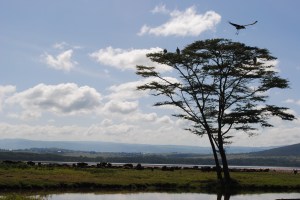
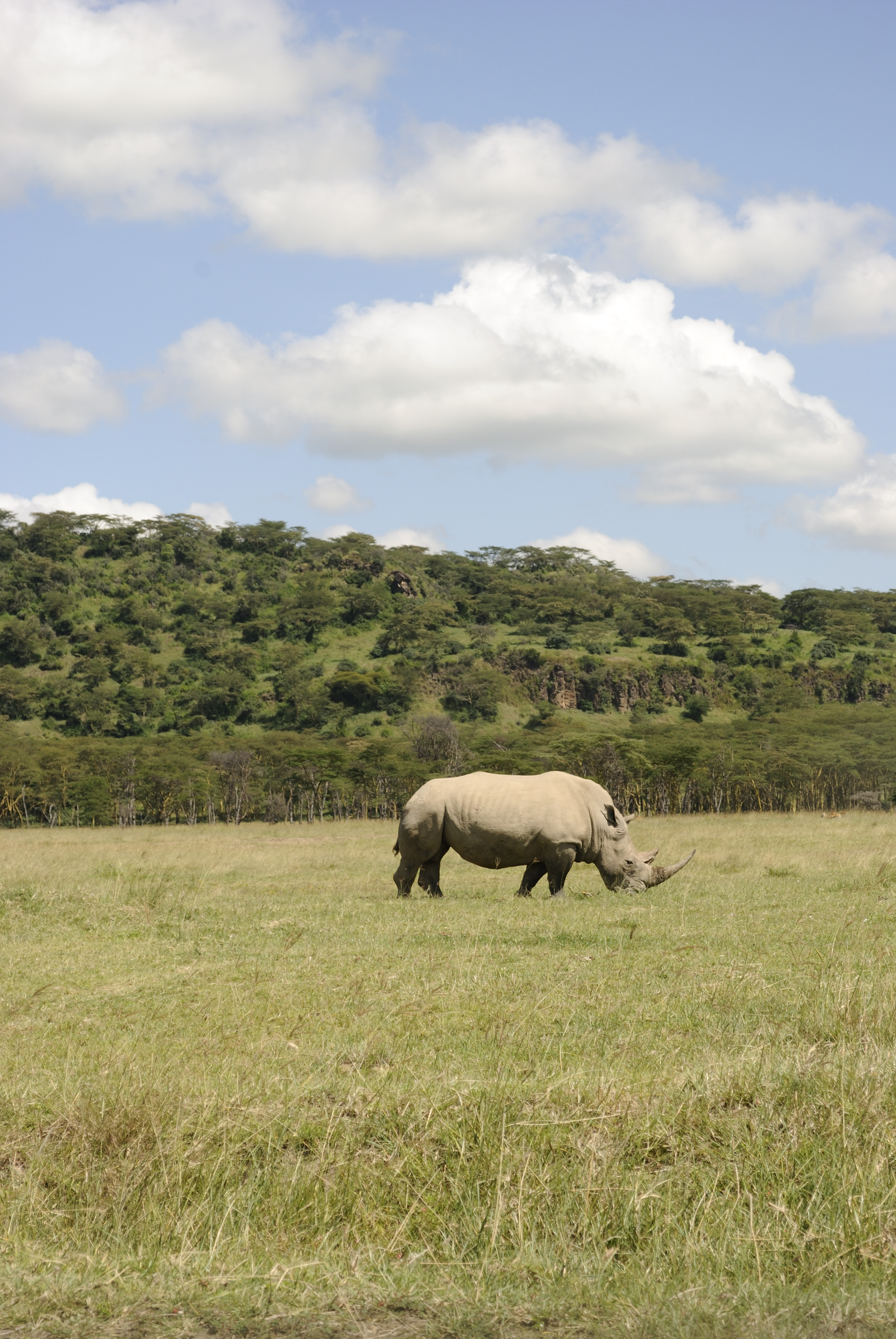
And as you can see we saw zebras, rhinos, buffalo…
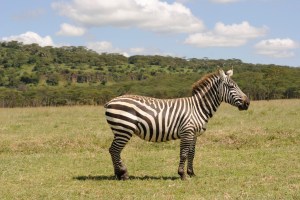
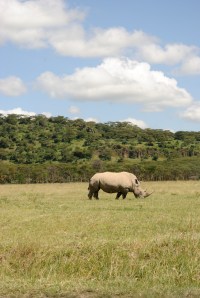
But what really happened on this weekend in June?

Two Africans, a Kenyan and an Egyptian truly bonded over a tire. Yes, a flat tire.

Day 1:

So I told Edwin, my co-worker (a native of Nakuru) and one of the smiling faces in my last blog post, that I had a friend coming into town and we wanted to check out Lake Nakuru and I needed a driver. The words safe and 4-wheel drive didn’t come to my head. I am Jewish and on a budget—a good price, please!  Okay, so he made some calls and it ends up his childhood friend Daniel would take us around the park.

So sure enough, 7am rolls around and we are ready for SAFARI. A regular, small Toyota sedan rolls up …okay, great…yalla! Let’s go!

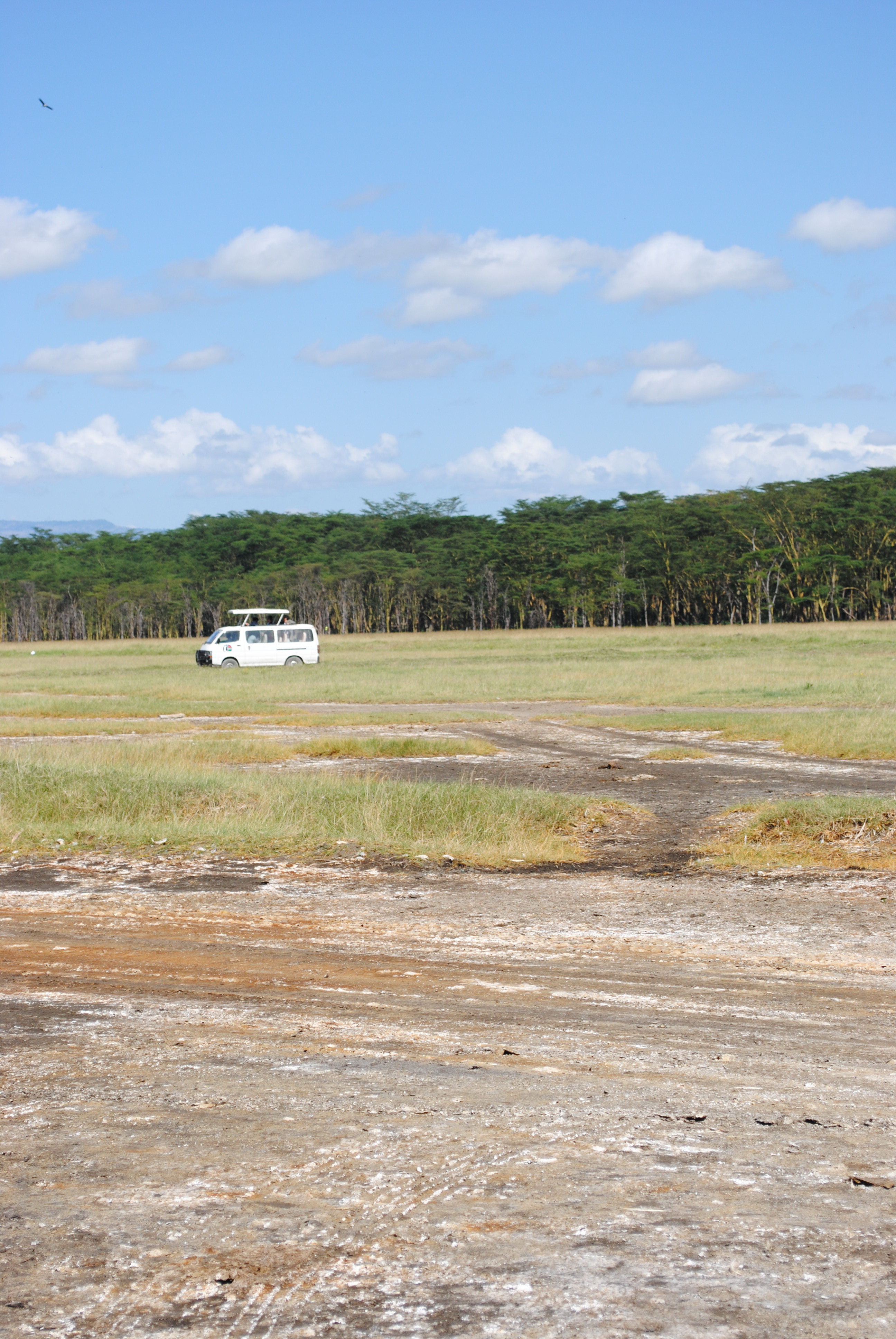
So we drive around, checking out the animals…the usual thing. I do realize immediately, starting with my curiosity a few hours before seeing the prompt 6:30AM 4-Wheel Drive picking up the chain-smoking Italians staying at our guesthouse, that EVERY other car on the road is these super safari trucks where you can peak outside the top.
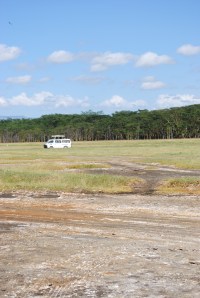
Okay, I am on a budget here! I can’t afford these fancy trips. And I am not a tourist…I live here in Kenya now!

Though, already peeking my camera through the window that doesn’t roll down all the way was posing a humorous annoyance.

First animal we see, b’h a lion! SCORE! One of the big five mammals of Kenya!  What luck!

Ahmed (the Egyptian in our story) is immediately about to get out of the car to take photos and Daniel says NO! “What are you doing, my brother, you can not leave the car!” Ahmed, very disappointed, retracts.

It must be a thrill for men to get an extra foot closer to a predator and confront death?

Anyway, we enjoy the day, wandering around the park, and we see this and that. A Baboon here, a Warthog there. Good times. Good times. We can’t seem to find the only leopard in the park, but that is okay…we saw a lion!

We leave the park, head up to see another important site in Nakuru, the Menengai Crater. (Lonely Planet describes: While lush vegetation is now proliferating on the harsh crater floor, some 480 km below the violent and dramatic volcanic history is easily seen; a cauldron of convoluted black lava flows. )

Ascending to the summit, we stall a few times. Oops! But hey this is Africa. No worries.

After a lovely lunch on the top of the crater, we start to head down the road and Boom! Flat Tire #1.  If you know me, when it comes to car mechanics, I am confused.  I do not know what a flat tire sounds like. I would have probably kept driving. Ahmed and Daniel seem to know what is going on, so they fix it together.

Meanwhile Ahmed is secretly wishing we had the flat tire in the park near the lions. He wanted to be next to the lions, g-d dammit it! If a flat tire is the only way….SO BE IT! And after seeing all those spare tires on back of the fancy safari trucks…it was rubbing it in his face.

So we make it on our way back to the park. First a pit stop in Nakuru proper—to get the tire fixed. We buy some African sugar cane, I give high fives to all the kids hanging around with nothing to do, and we are on our way. Its already 4pm and I am so sleepy. Maybe it was from the malaria pills, but I needed a NAP.

We enter the park, driving towards the guest house, and sure enough booom! I actually didn’t hear it, but even before Daniel could say, Can you check outside? Ahmed eyes light up like a little kid….this can’t be, this can’t be!

”Amy”, Daniel says, trying to hide his worry already, “Can you check the tire?” (It was on my side)…I look out ,but because we don’t have a fancy safari truck I can’t see anything!… Ahmed quickly looks over me and checks. Yes, Yes it is!

He asks Daniel, smirking, ”Aren’t we in the same spot where we saw the lion this morning? Muffling under his breath, Daniel says, “umm yes”.

Keep in mind its 4pm. Lion hunting time. A 60% chance they are right near us. Hungry. Hidden in the bush.

Daniel calls the park warden and they don’t care. Fix the tire they say.

Ain’t no Triple A service here.

Now another thing—drivers are NEVER supposed to let their guests out of the car. Drivers are supposed take care of their guests before themselves, and their safety is their main concern.

Before I could realize what is happening, as I am so sleepy… and again, confused! Didn’t we just get the tire fixed? Ahmed jumps out of the car to help Daniel, ignoring the rules of no guests leaving the car. Amy, they both say, you are on LION Watch Duty. Me? I can’t take this responsibility! But I guess I have no choice? And those dam windows, don’t roll down all the way, I can’t see! I look left and look right….

Within 15 minutes, including texts to all Ahmed’s friends of this infamous tire and the situation we were in, its fixed! We made it!! RELIEF! We aren’t game meat. I will make it back to Nairobi, let alone New York. B’h! Good Team work.

My old boss at the Financial Times, after an email to him explaining what happened noted… “A flat tire in Lion territory.  That’s right up there with running out of gas in Newark.”

Day 2:

The hangover and excitement wore off. Ahmed relived the moment many times in his head. We are ready for day 2.

Daniel picks us up at 9 AM.

This was not an ordinary day in Nakuru.  After the solidarity in tire repairs, we were truly his African brother and sister.

Day 2, Nakuru. Things are getting serious. We are meeting the family. We are no longer guests, but friends.

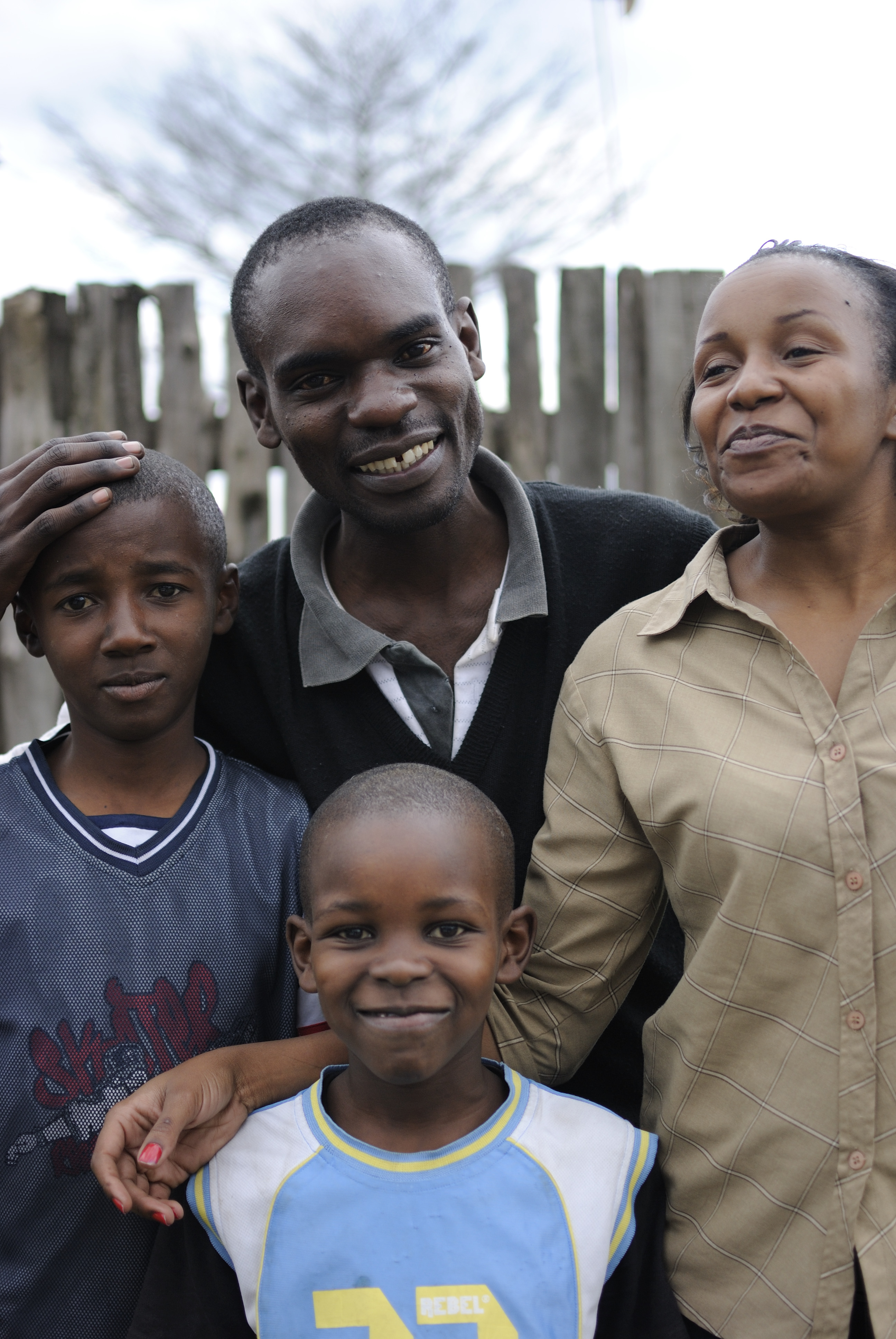
Here are Daniel’s lovely wife Elizabeth, his two sons, sister, mother and auntie.

One minute a flat tire, the next minute we are part of the family.

This is Africa:)

Thanks to Daniel for welcoming us into his home. Our experience in Nakuru would never have been so delightful.
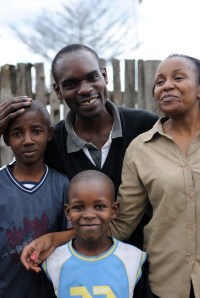
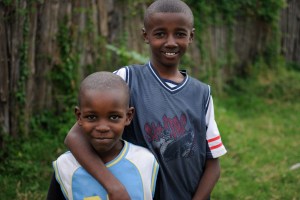
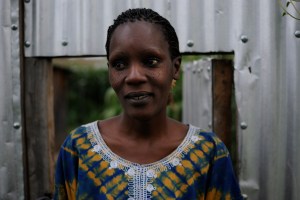
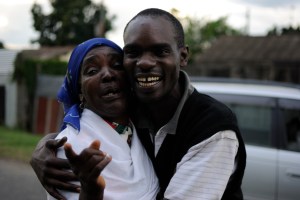
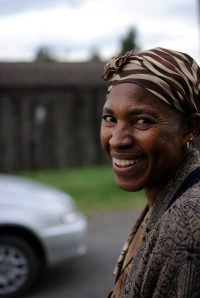
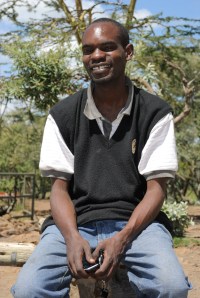
And Daniel himself…If you ever decide on a Safari in Kenya we can put you in touch…
-THE END-

Karibu to Kenya. My New Co-Workers.


Arrival into Nairobi: 13:30 on Monday, the 31st of May to Jomo Kenyatta International Airport.

See in the distance: Steven, the driver of the HIAS Refugee Trust of Kenya, holding my name up boldly and smiling.

“Karibu!” , he says.

What is Karibu do you ask?

Swahili for ‘Welcome’.

Okay makes sense; he was waiting for me to arrive for my fellowship with HRTK and wishes me Karibu!

But what I found out instantly was Karibu doesn’t just mean the standard. ‘Welcome’ that you might see on signs, storefronts, and border crossings.

Karibu also means ‘you are welcome here’.

You are welcome here in Kenya.  Karibu! A greeting not only to say hello, but that I was wanted here in Kenya.

For a moment, I was almost confused! And it wasn’t  jet lag. Dubai was an hour ahead of Nairobi.

Being both Jewish and American in 2010, ‘You are welcome here’ is not the normal greeting you usually get in most places. From a travel perspective, when I arrive in countries in Western Europe, such as Spain, or France I almost have to ‘ease the pain’ and pretend to be from Canada, or the UK (yes sometimes I use my faux British accent). And let’s face it… I travel in the shadows when in Dubai, and was hoping no one saw me with my Hebrew Travel Prayer on the flight from Sharjah to Nairobi. (Yes, I did have to pretend to be reading my Lonely Planet Kenya Guide while muffling it under my breath–Sharjah is the Emirate next to Dubai, where I flew out of, and is a bit more conservative. For the first time in my life I was the only Westerner on the plane).

So, after this wonderful greeting at the airport we drove about an hour to the HIAS Office.

With no expectations on how my new office environment and colleagues might be, Karibu! A few times over.  Again, not just welcome, but that I was welcome here in Kenya.  “Thank you”, I said. And I did what I usually do. Smiled:)

I then learned ‘Asante’ in Swahili means ‘ Thank you’.

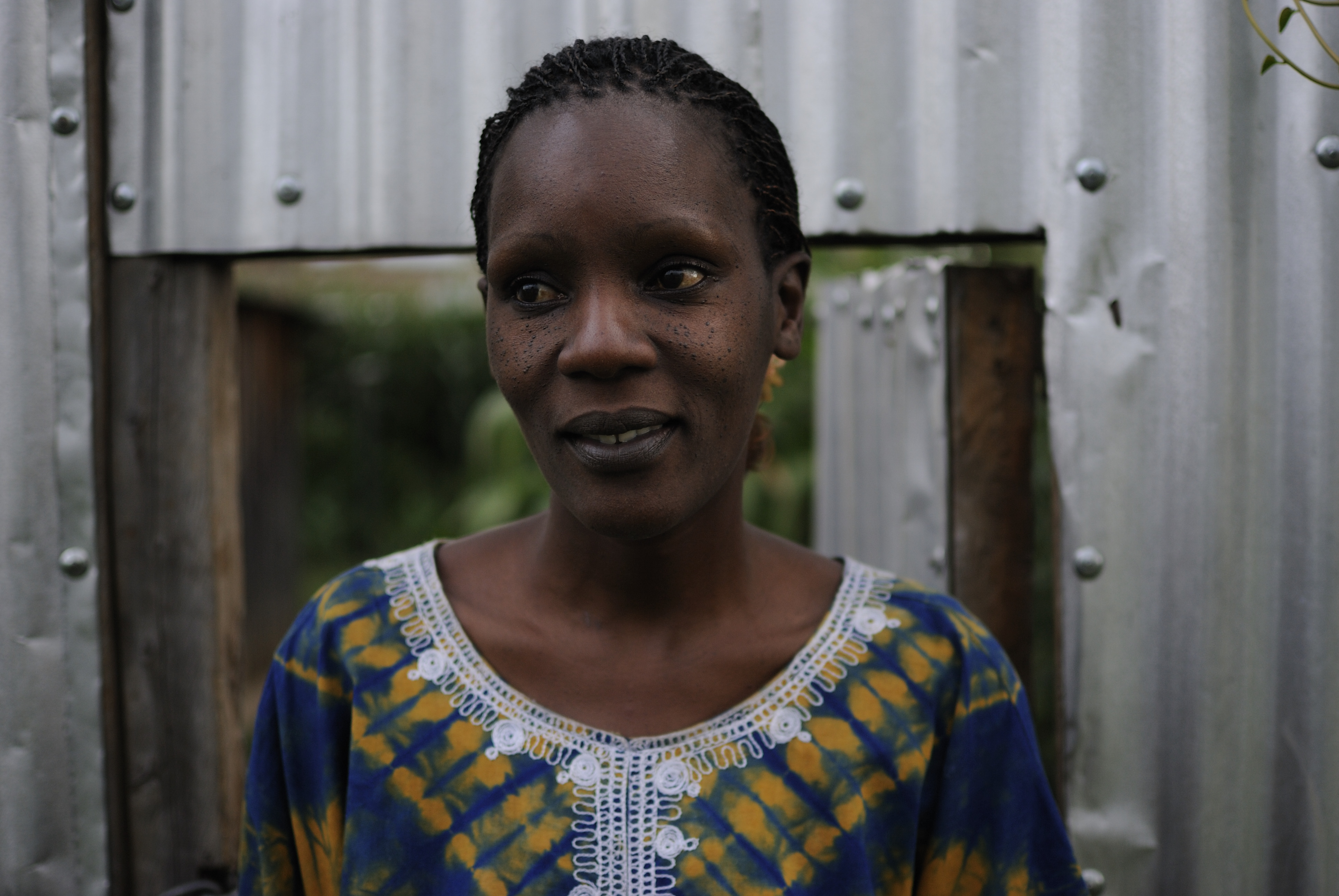
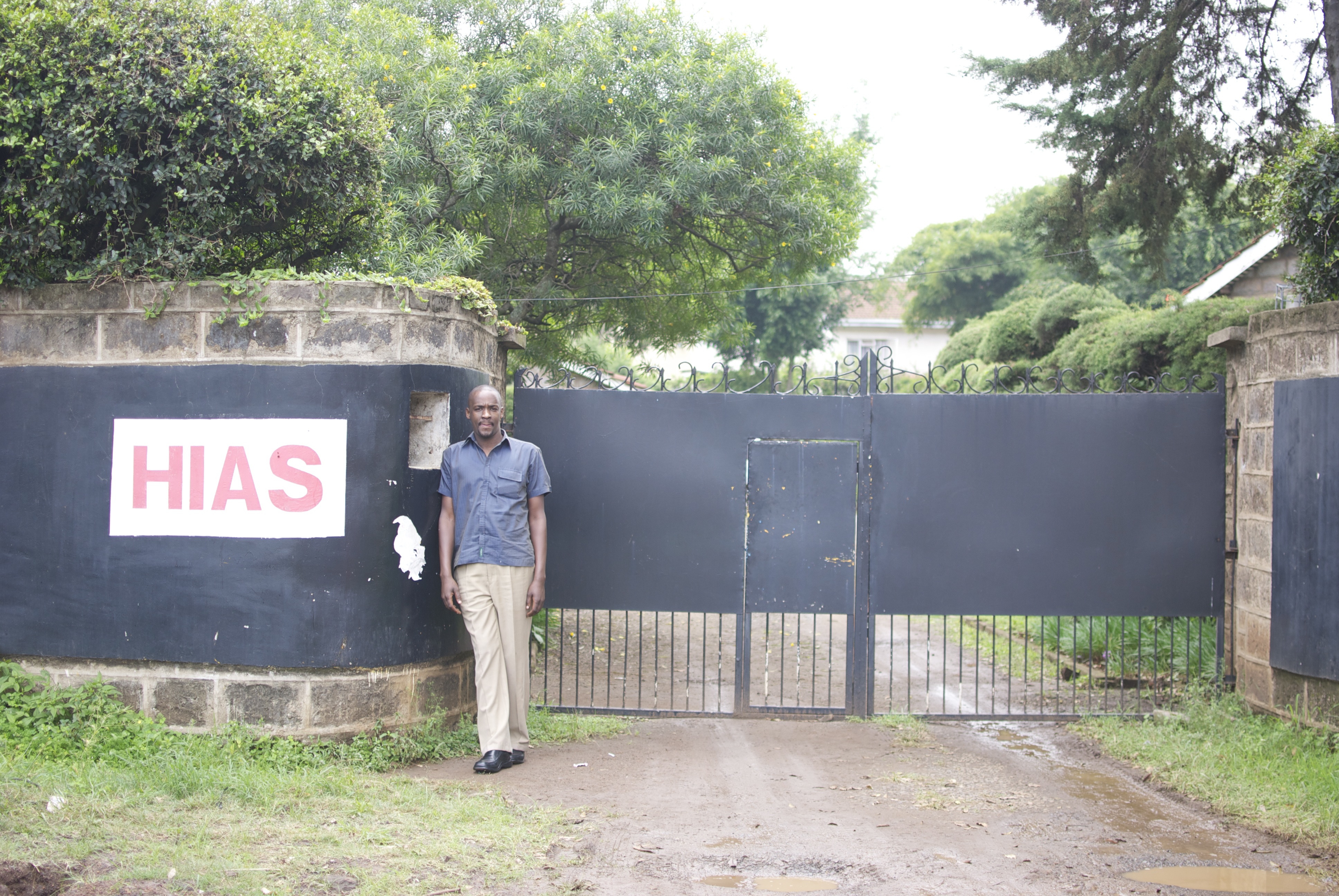
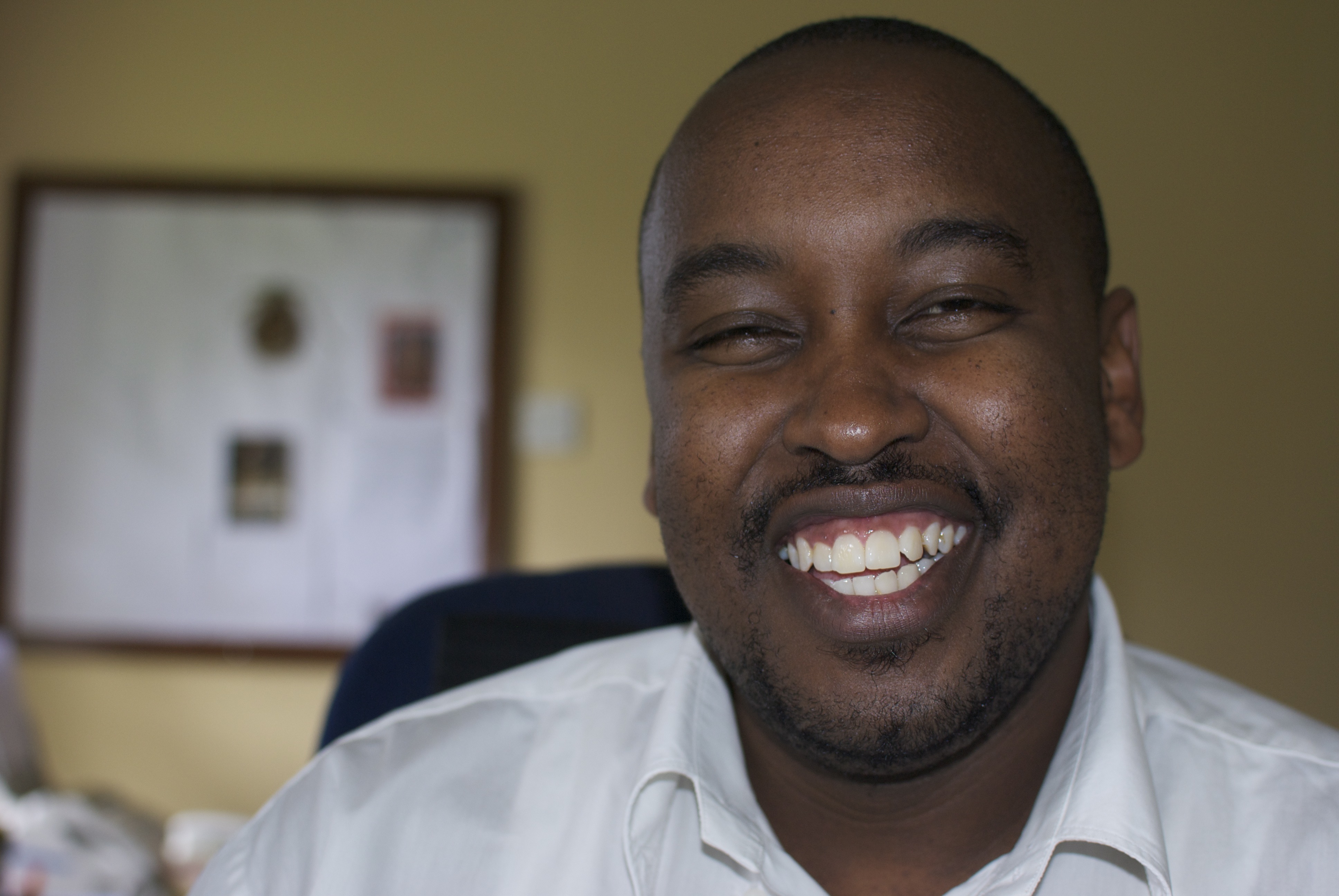
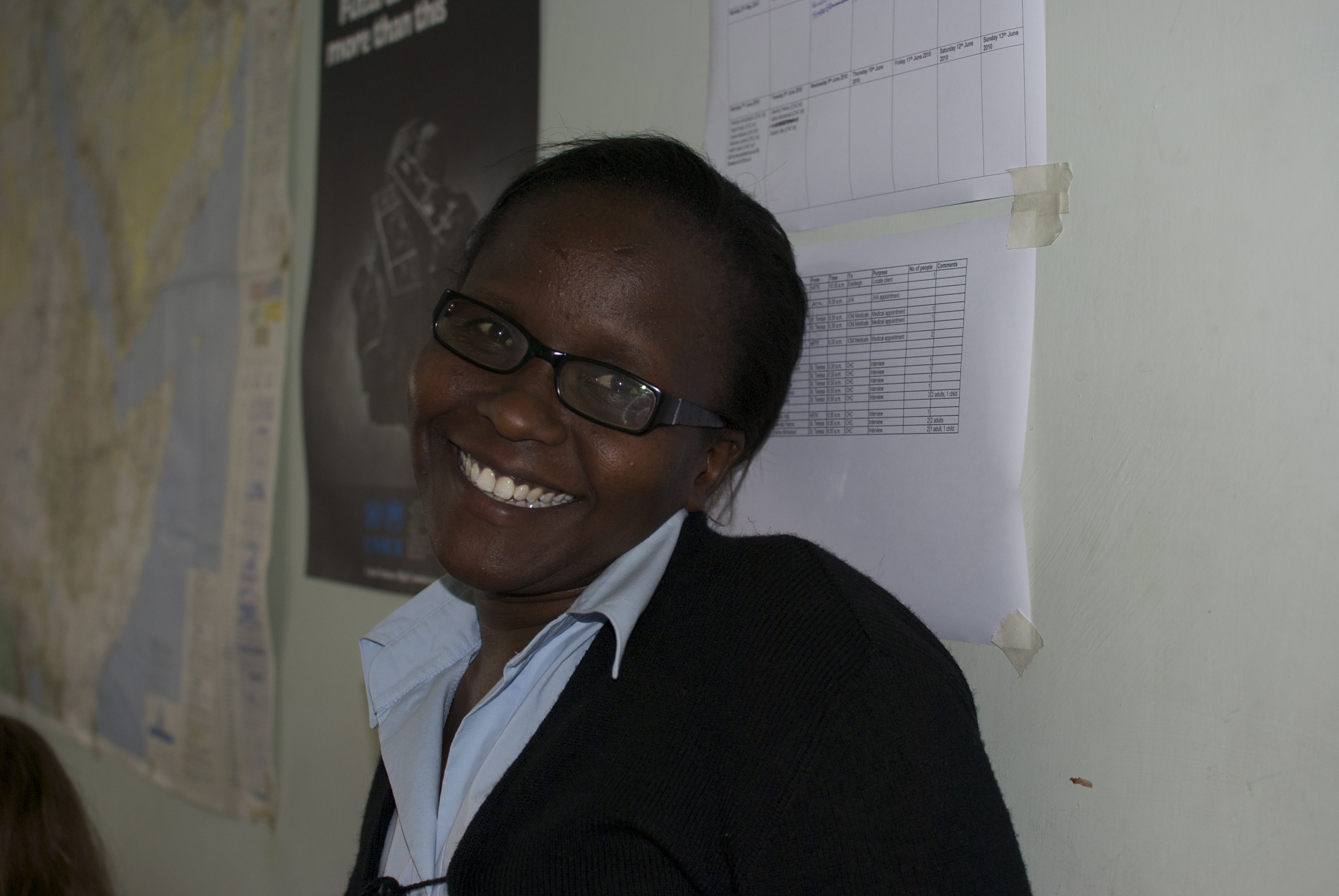
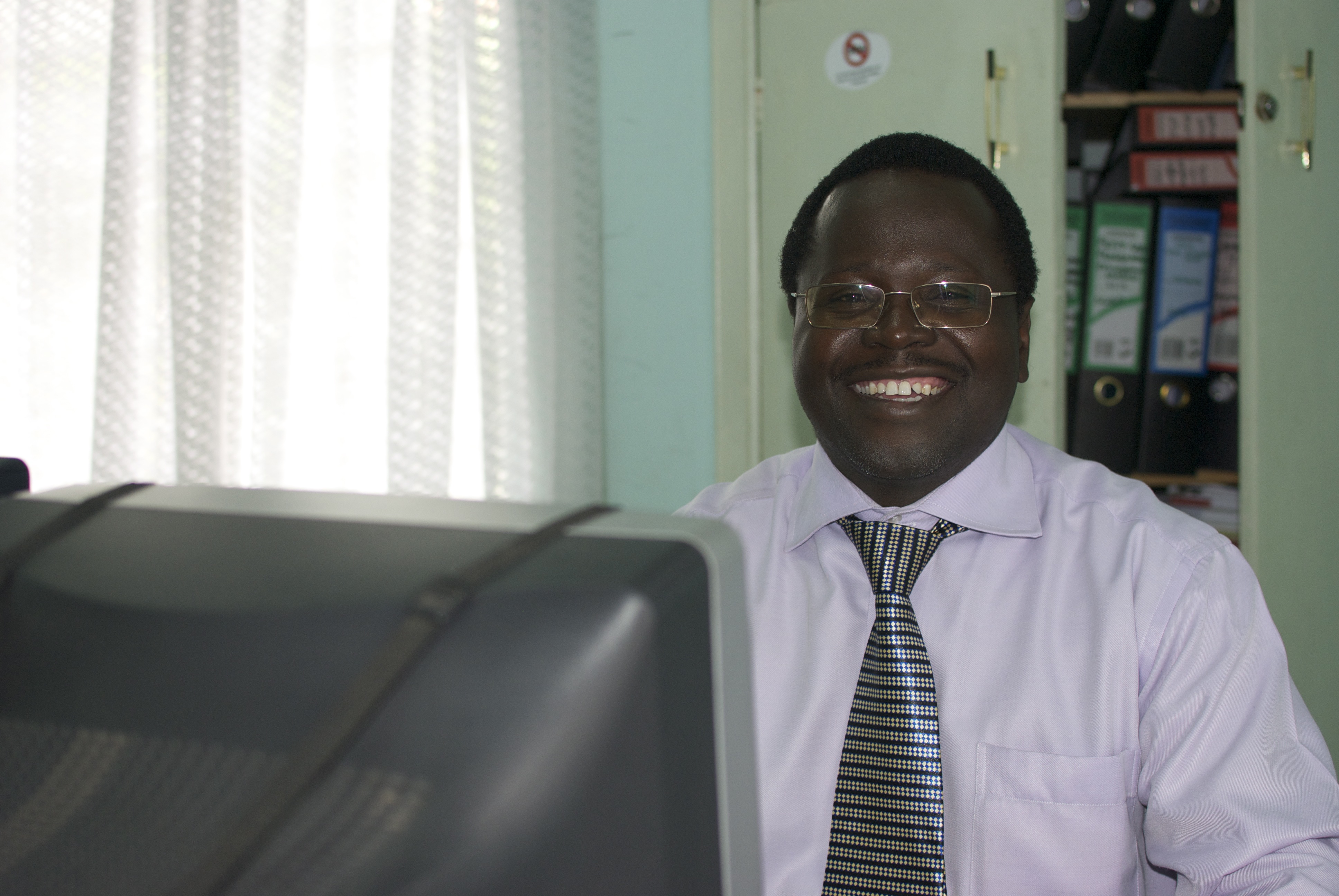
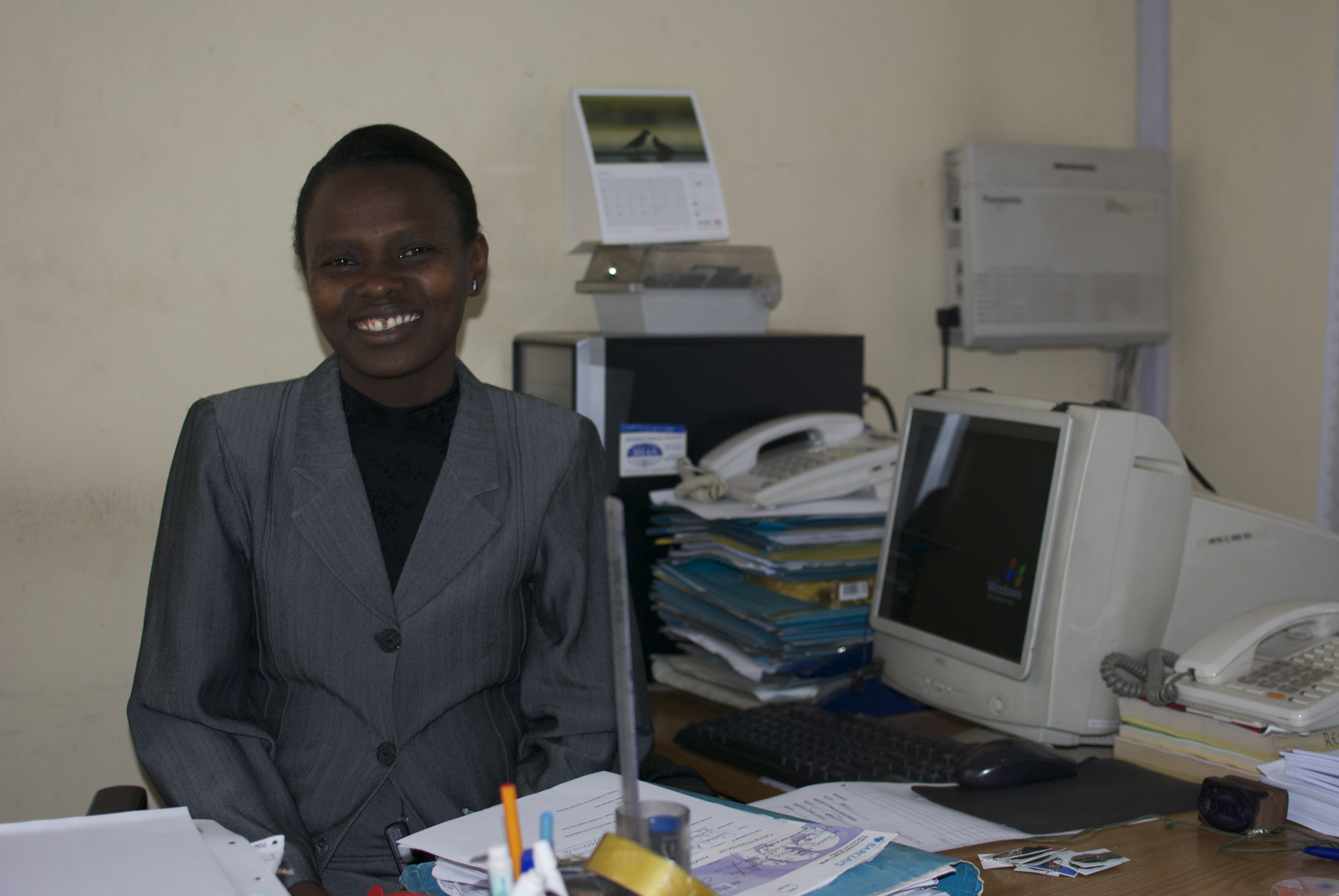
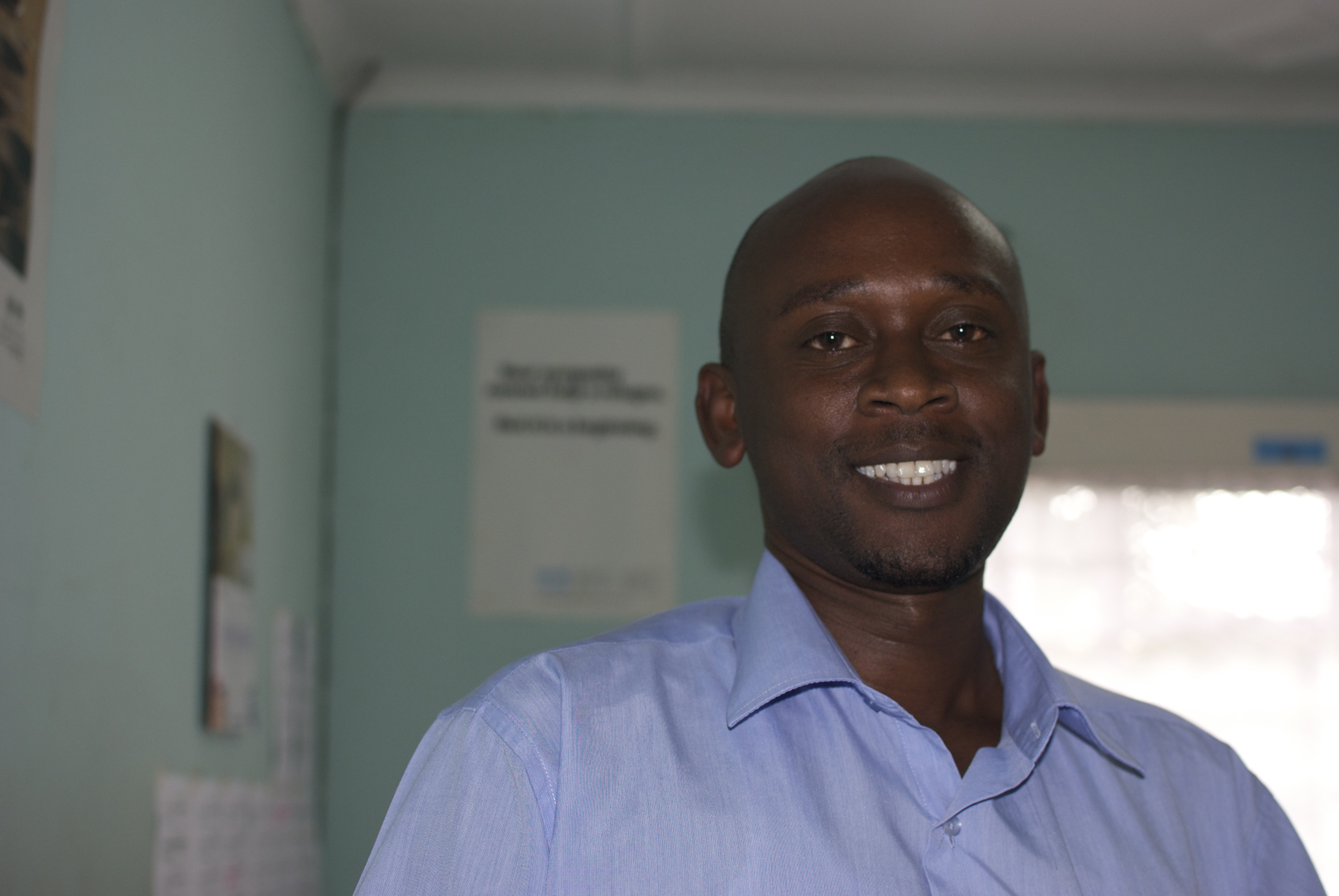
I want to personally say Asante to all my new co-workers below for such a warm arrival in Nairobi.

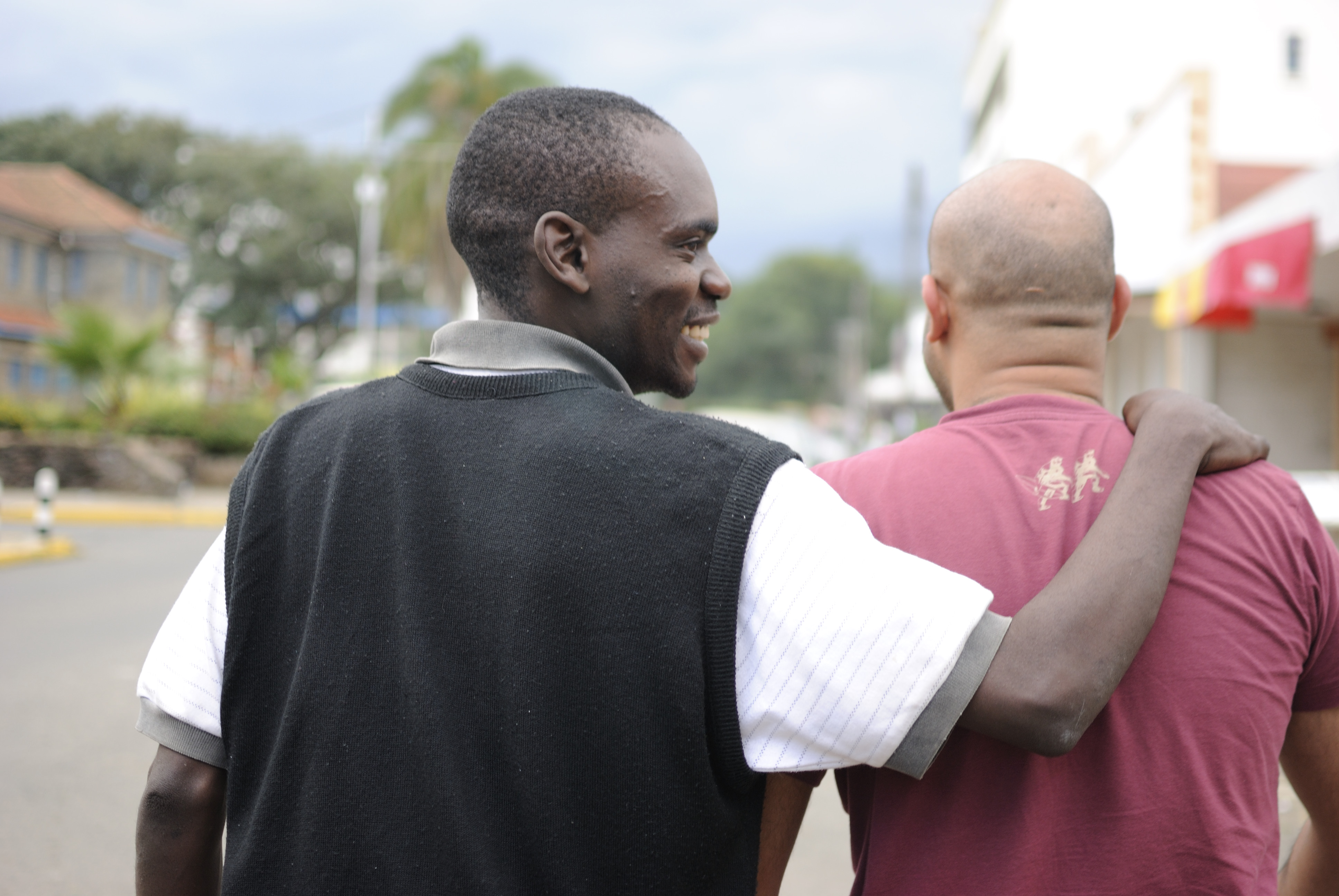
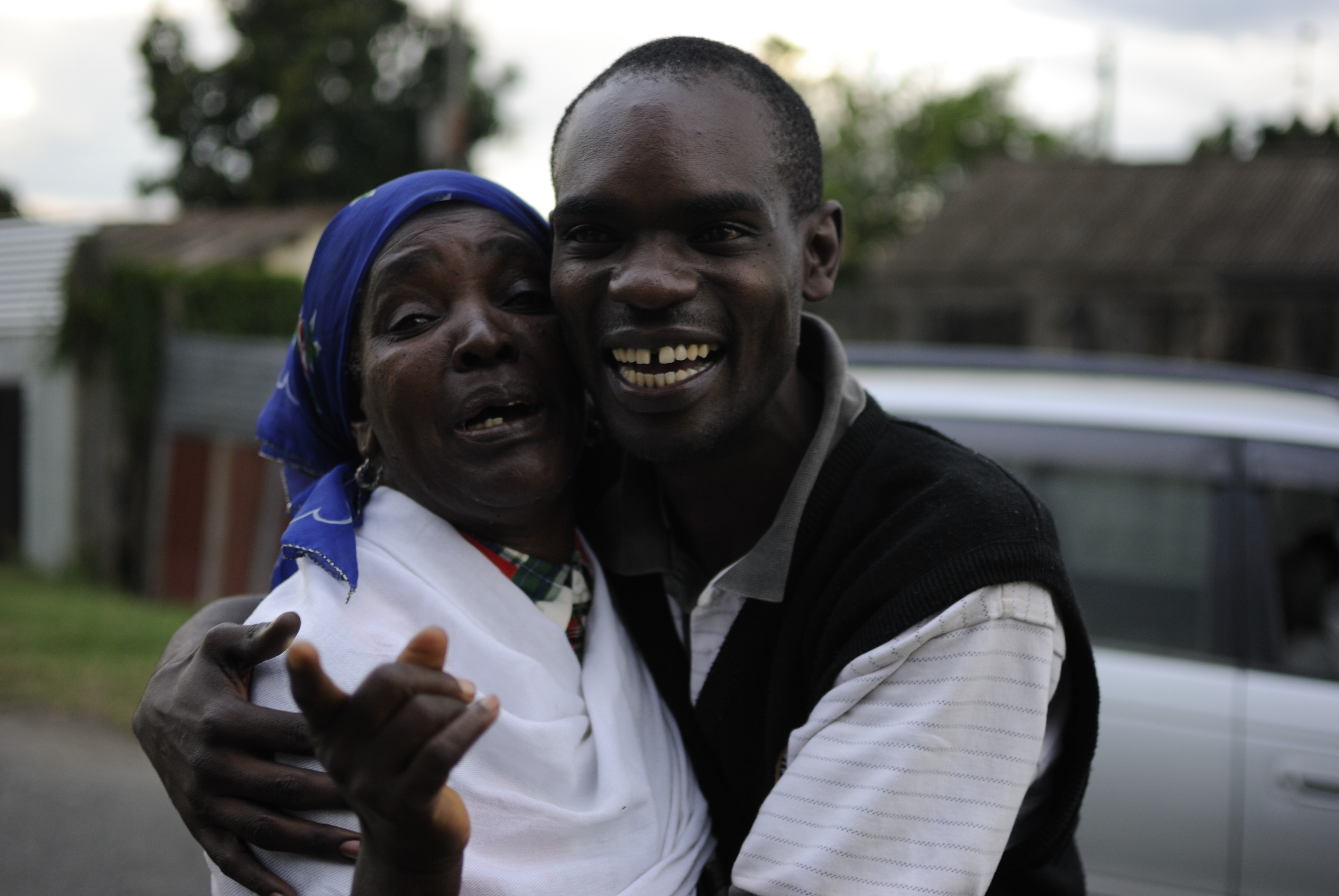
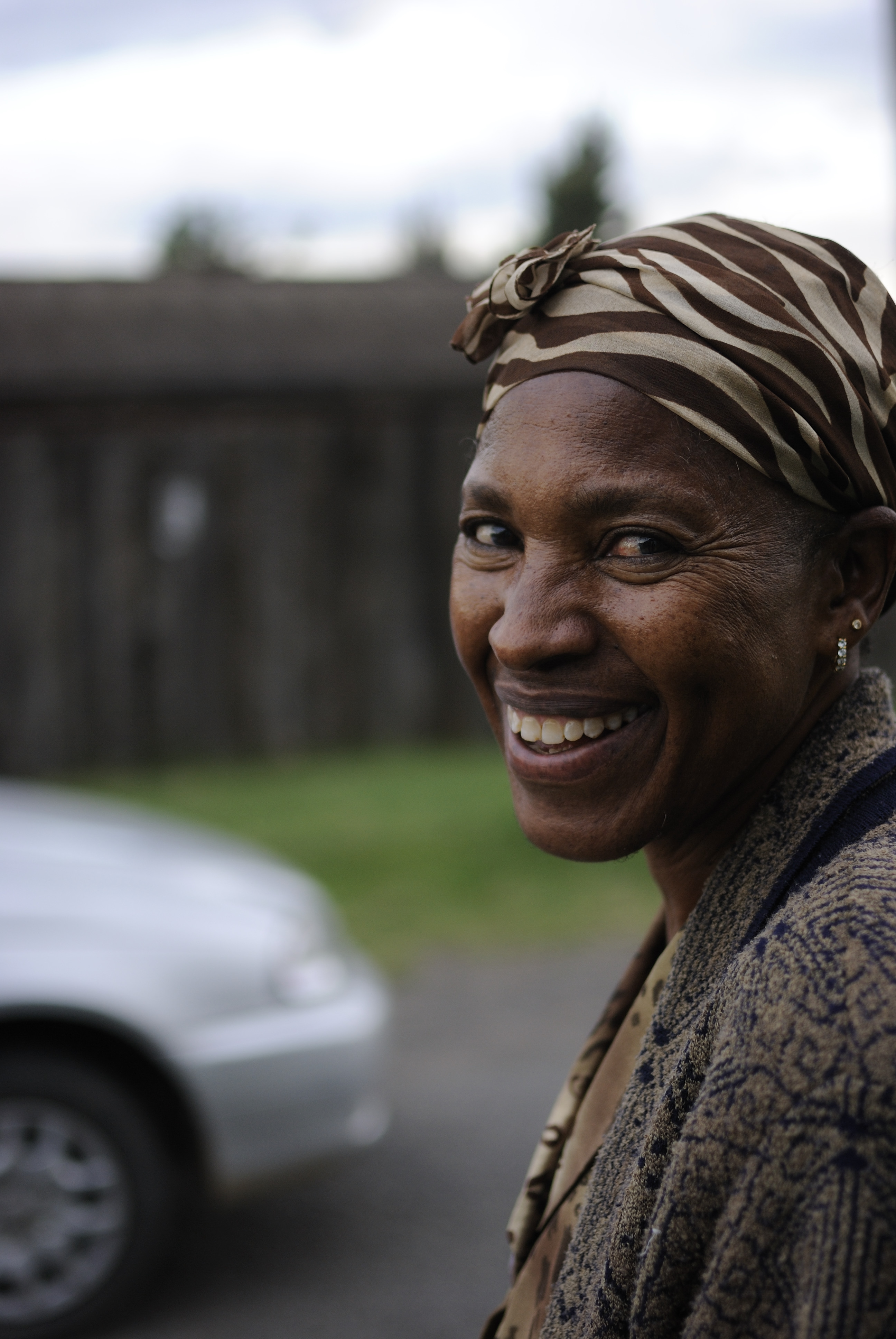
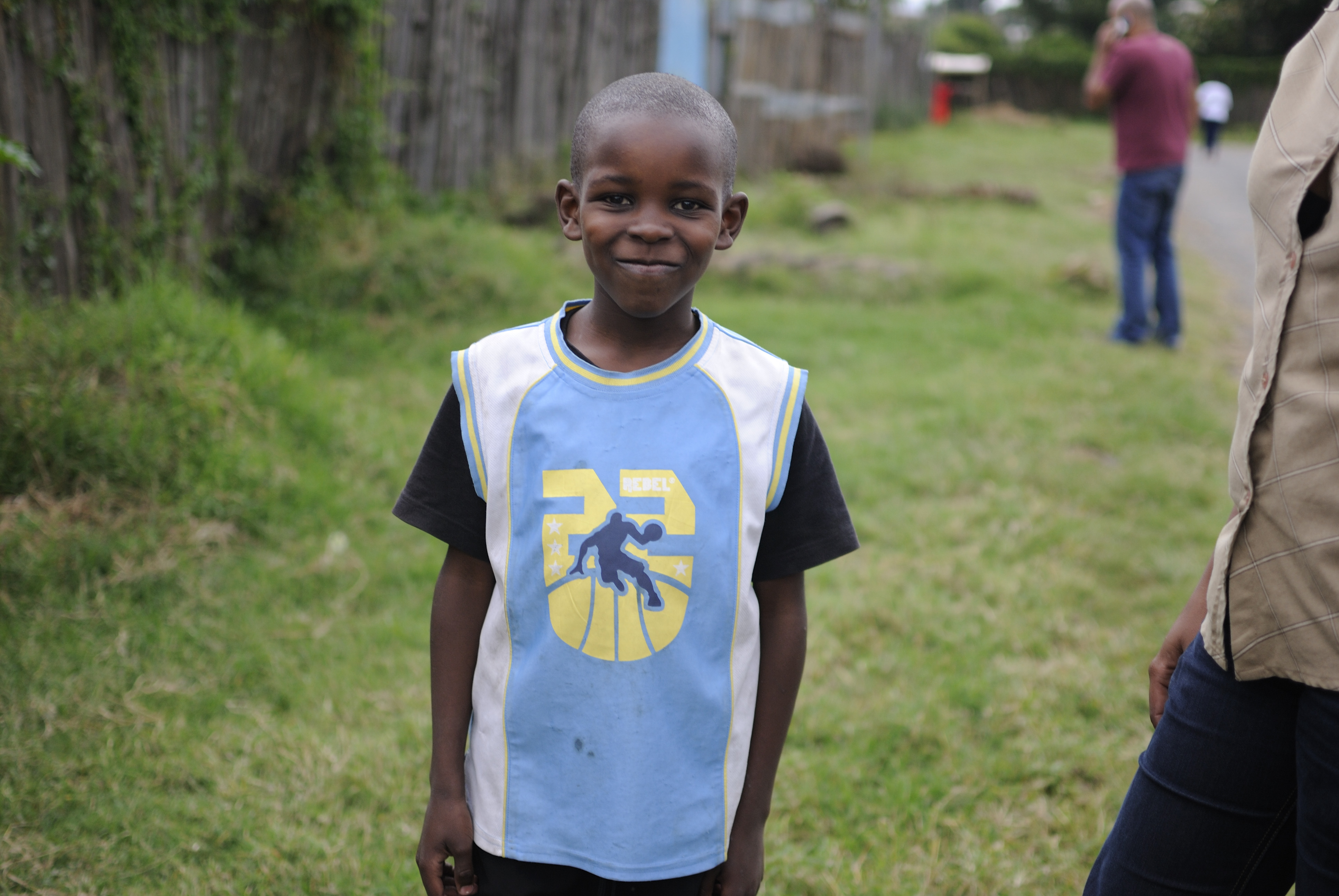
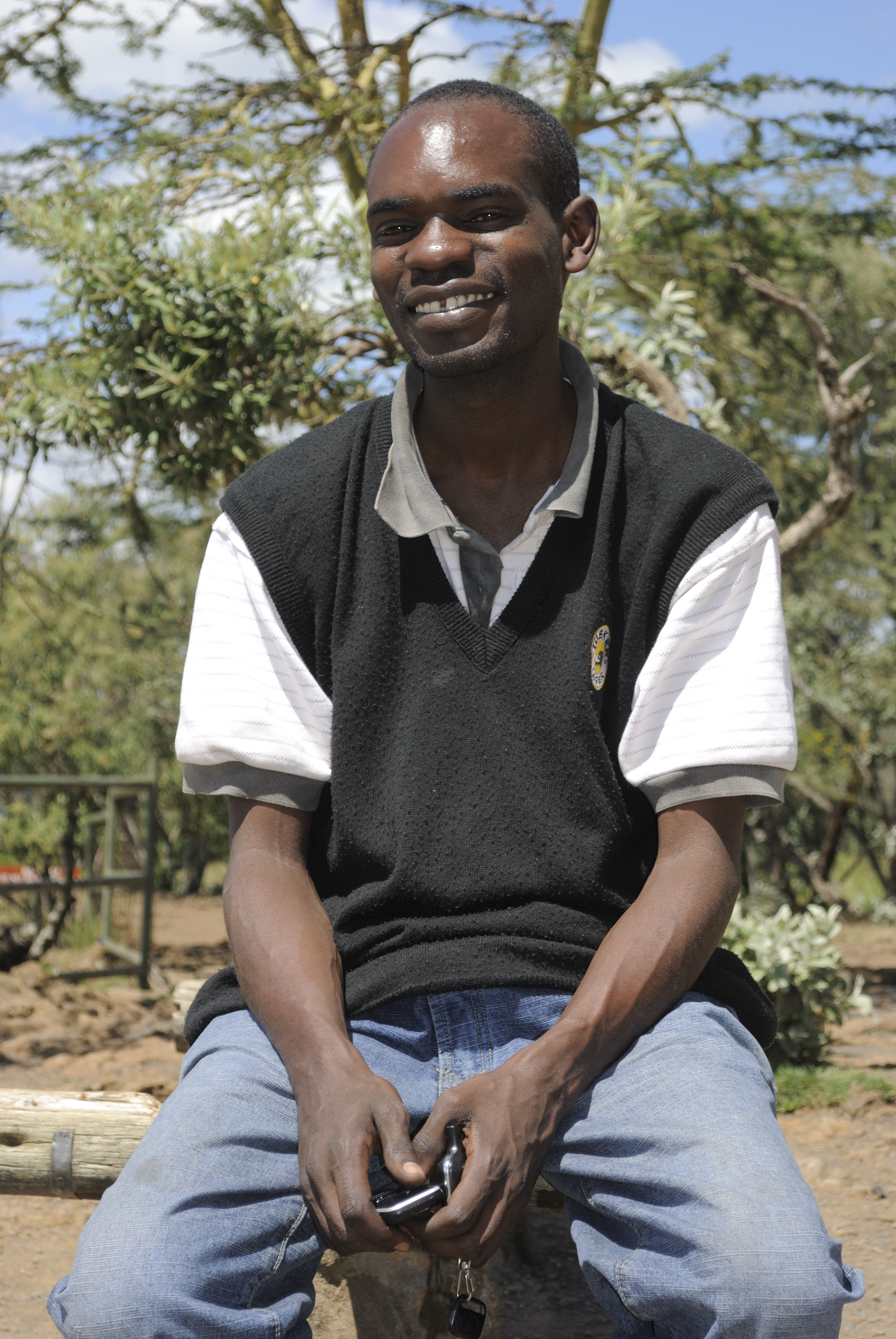
Wouldn’t you also want to work with these smiling faces?